

wispy
 7
3.8
7
3.8

- adjective
- /ˈwɪspi/
- There were five or six long wispy hairs growing out of his upper lip.
- wispy hair
Loading YouTube…
Watch on YouTubeThese are their leaves, these little wispy things that look like grass.
- These are their leaves, these little wispy things that look like grass.
- I ordered more of the wispy lashes by Ardell.
- I find them both to be very good for my very wispy, like hardly existent lashes.
- It gives me enough darkness and blackness on the lash line, but it's still wispy and flirty.
- Onions, they grow a bulb and the leaves themselves are fairly thin and wispy.
Examples
-
Now, the weatherman pointed at a map where wispy clouds repeated their herky-jerky routes across the sky.
Fiction book (2002) -
Each hair on her head, each wispy little lash around her eyes shined.
Fiction book (1990) -
I want it to look a little bit wispy and natural.
-
These are just the right size for that wispy pretty effect.
-
These are their leaves, these little wispy things that look like grass.
-
His hair was white, and a wispy white beard lay across his lips and chin.
Fiction book (1992) -
A colorless, crushed-looking woman, with wispy hair and a lined face, was standing outside.
Fiction book (1998) -
A tall, skinny man with a wispy mustache stood before the captain, his head bowed in defeat.
Fiction book (1996) -
His pale complexion, haggard eyes, wispy hair, and long-outdated clothes inspired recurrent allusions to a wraith.
Academic text (2016) -
The child's wispy hair danced in the breeze, giving her a delicate appearance.
Synonyms
 221
5.2
221
5.2
Not strong or convincing, for example an argument
 60
1.0
60
1.0
Thin and with little body fat
 57
1.4
57
1.4
Thin and graceful in shape
 42
3.2
42
3.2
Thin and not strongly built
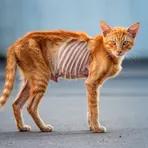 40
4.2
40
4.2
Very thin and weak in a way that looks unhealthy
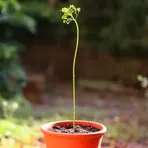 11
6.2
11
6.2
Long, thin, and looking weak, often said about plants or people
 8
3.9
8
3.9
Very thin and easily damaged, like a sheet of paper
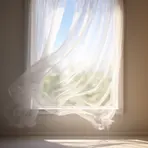 6
3.4
6
3.4
Very light and delicate, often seeming to float
 4
8.0
4
8.0
Very thin and weak, like a light mist
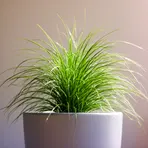 4
6.4
4
6.4
Thin and delicate like a spider's web or legs
 1
6.4
1
6.4
Tall, thin, and straight like long grass by water
 1
7.0
1
7.0
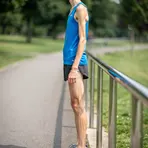
Very thin person with little or no fat
 1
6.0
1
6.0
Very thin in a way that looks like a small branch
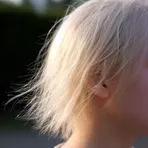
Very thin and light, almost hard to see or hear

Long and thin like a small branch

An animal or object with a slim, narrow body
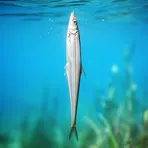
Having a long thin body
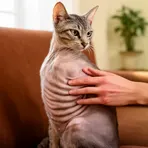
Thin so you can see or feel the bones
Antonyms


How Delicate


Surface Forms
Morphology
Etymology
Wispy comes from the older word wisp, which meant 'a small thin tuft or bundle', and the ending -y makes it 'like' that. So, wispy describes something thin, delicate, and light, like hair or a dress that seems to float.