
wiper
 1
3.1
1
3.1

- noun
- /ˈwaɪpər/
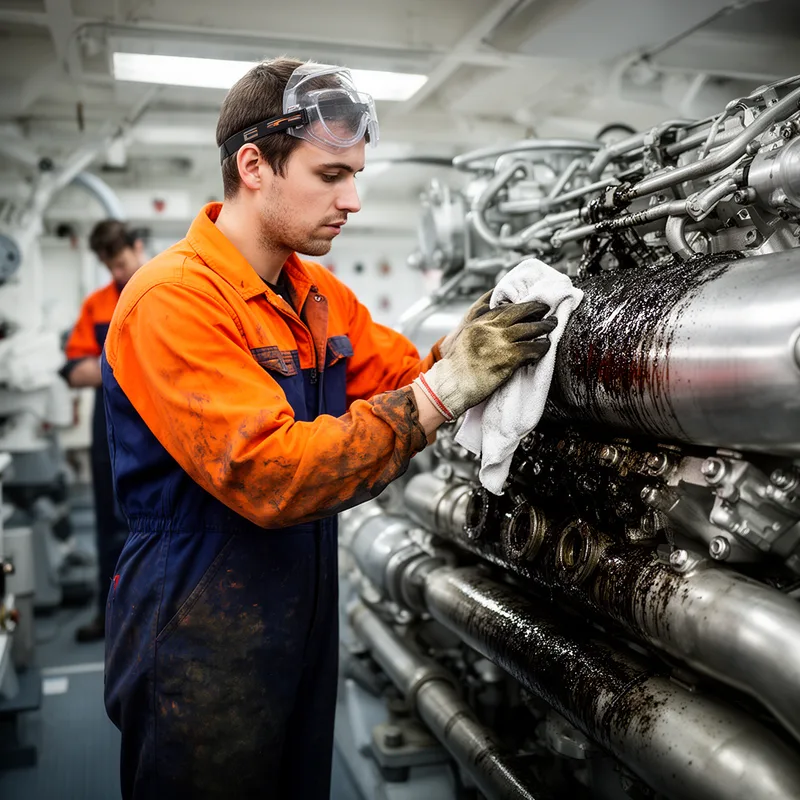
- As a wiper, her task was to keep the surfaces of the machinery free from dirt and grime.
Examples
-
My father was a wiper on the tanker.
-
Mrs. Viola Sievers, one of the wipers at the roundhouse, is giving a giant "H" class locomotive a bath of live steam.
Blog text (34) -
I particularly liked the women working as "wipers" in the rail yards, and the work ethic of everyone.
Blog text (34) -
He had been a wiper -- lowly as an ordinary seaman -- then oiler, then water-tender, watching his gauges for hours at a stretch.
Fiction book (1991) -
The wiper efficiently cleaned the engine using a large rag.
-
He worked as a wiper at the factory, ensuring that all machines were spotless.
Compounds


 1
2.3
1
2.3
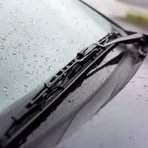
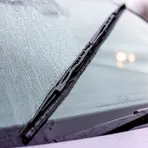
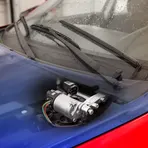
A moving rubber blade on a car that clears rain or snow from the front window

- Specialized
A metal arm that moves to touch different electrical contacts in a control like a volume knob
Surface Forms
Morphology
Etymology
Wiper comes from the verb wipe plus -er, the ending for a person who does something, and wipe means 'to clean by rubbing'. A wiper is therefore a person whose job is to wipe and clean machines or surfaces.