
wilde dagga
- noun
- NSFW
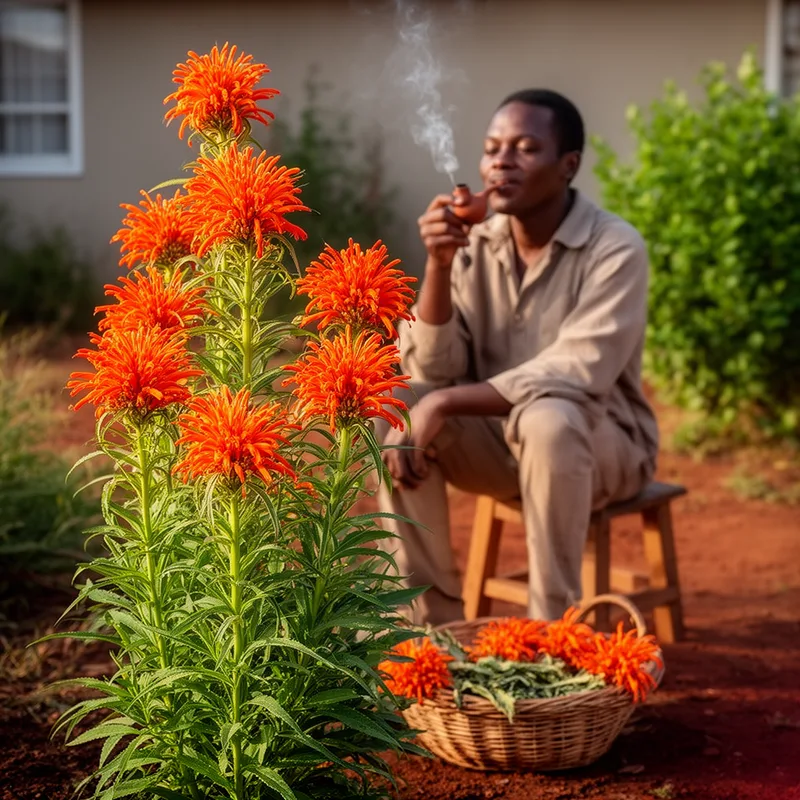
- The leaves of wilde dagga are often dried and smoked as an herbal alternative to tobacco.
Examples
-
Gardeners are attracted to wilde dagga because of its showy orange flowers and medicinal history.
-
In some regions, traditional healers use wilde dagga for its calming effects.
-
Many people enjoy smoking wilde dagga for its relaxing effects.
-
The wilde dagga plant is known for its vibrant orange flowers.
-
The leaves of wilde dagga are often dried and smoked as an herbal alternative to tobacco.
-
In some regions, traditional healers use wilde dagga for its calming effects.
-
Many people enjoy smoking wilde dagga for its relaxing effects.
Synonyms
A South African plant of the mint family with bright orange flowers and leaves sometimes smoked instead of tobacco

A South African herb smoked like tobacco for mild effects

A South African plant with bright orange flowers whose leaves are sometimes smoked like tobacco
Surface Forms
Morphology
wilde + dagga
Partly transparent: if a learner knows 'dagga' (cannabis) and recognises 'wilde' as a variant/spelling of 'wild', they can infer this refers to a wild/related herb used like dagga. However, the term is a regional borrowing (Afrikaans) and does not fully convey the specific species (Leonotis leonurus) or that it is not actually Cannabis sativa, so the full meaning and cultural nuances are not predictable from the parts alone.
Etymology
Wilde dagga comes from Afrikaans: wilde means 'wild' and dagga was a local word for 'tobacco' or other smoking herbs. People called this wild plant wilde dagga because they smoked it like 'tobacco', so today the name refers to the orange‑flowered herb used as a tobacco substitute.

