
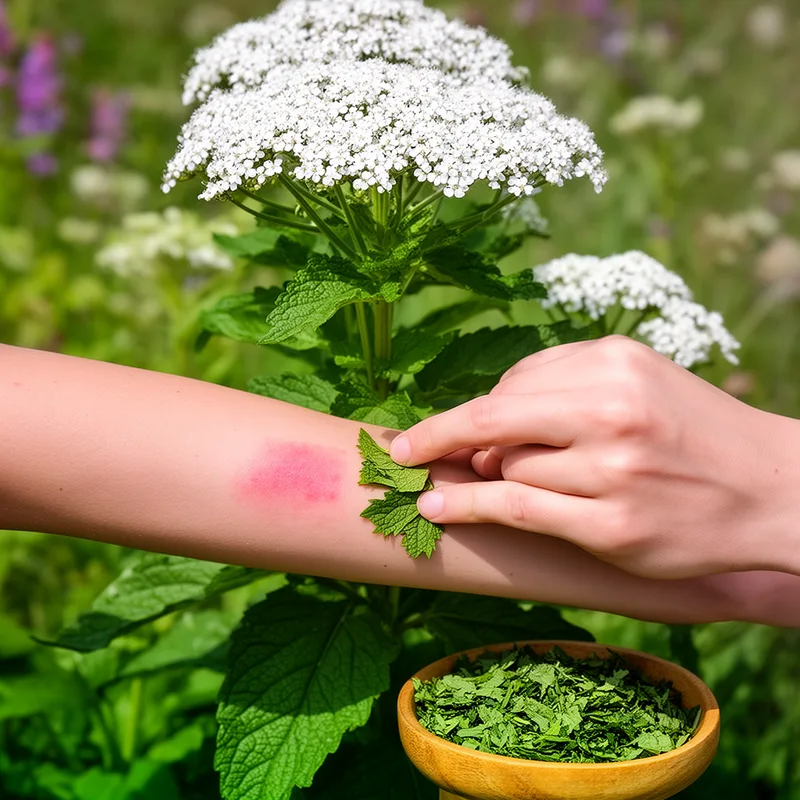
wild quinine
- noun
- /waɪld ˈkwɪnaɪn/
- US
- The wild quinine plant grows abundantly in the eastern United States.
Examples
-
The whitish flowers of wild quinine bloom from early summer to fall.
-
Native Americans used wild quinine leaves to treat burns and other skin ailments.
-
In her garden, she planted wild quinine alongside other native wildflowers.
-
Have you ever seen a wild quinine flower?
-
Native Americans used wild quinine leaves to treat burns and other skin ailments.
-
The whitish flowers of wild quinine bloom from early summer to fall.
-
In her garden, she planted wild quinine alongside other native wildflowers.
Synonyms
A strong plant with white flowers that lives for many years and has leaves used to treat burns

A sturdy plant from eastern North America with white flowers and leaves used to help heal burns
Surface Forms
Morphology
The noun phrase is compositional: 'wild' describes the plant's growing condition and 'quinine' names the medicinal plant, so 'wild quinine' straightforwardly means a quinine plant growing in the wild. This is a literal, non-idiomatic botanical naming pattern common cross-linguistically, so a B1 learner who knows both constituents would readily infer the meaning.
Etymology
Wild quinine may come from early settlers and Native Americans who used this native herb like the medicine quinine because its bitter leaves were used to help with 'fever' and aches. People added wild because the plant grows in nature, so the name shows it is a wild herb once used as a simple remedy.

