
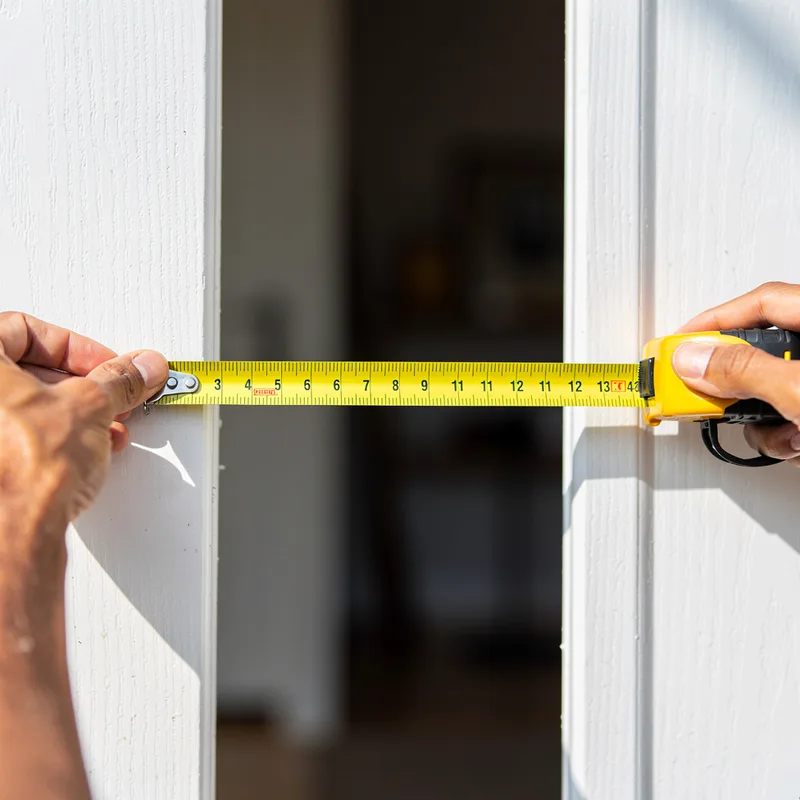
width
 93
1.0
93
1.0

- noun
- /wɪdθ/
- And furthermore, they have varied the width of that bar.
- length and width
- height and width
- path width
Loading YouTube…
Watch on YouTubeAnd I would triple down on the depth, not the width.
- And I would triple down on the depth, not the width.
- Have you ever seen the width of the paws of a polar bear?
Examples
-
Your average American businessman looks at a product, a marketing scheme, what have you and he sees the length and width of it.
-
This is the width of the largest subinterval.
-
Length times width, Length times width, length times width.
-
This area would be equal to width times length.
-
The bands are about pretty much about the same width, I would say.
-
It's kind of like the same thing of length times width equals area.
-
In this case would depend on the width of the tank.
-
Have you ever seen the width of the paws of a polar bear?
-
When you're a child, you learn there are three dimensions - height, width, and depth.
-
To find the area of a rectangle, multiply the length by the width.
Synonyms


Antonyms

Compounds

- Specialized
A style of text where every letter takes the same amount of space


How Wide

Surface Forms
Morphology
Etymology
The word width comes from the old English word wide, meaning 'broad', plus the ending -th that turns an adjective into a noun. So, width is the 'measure of how wide' something is.