
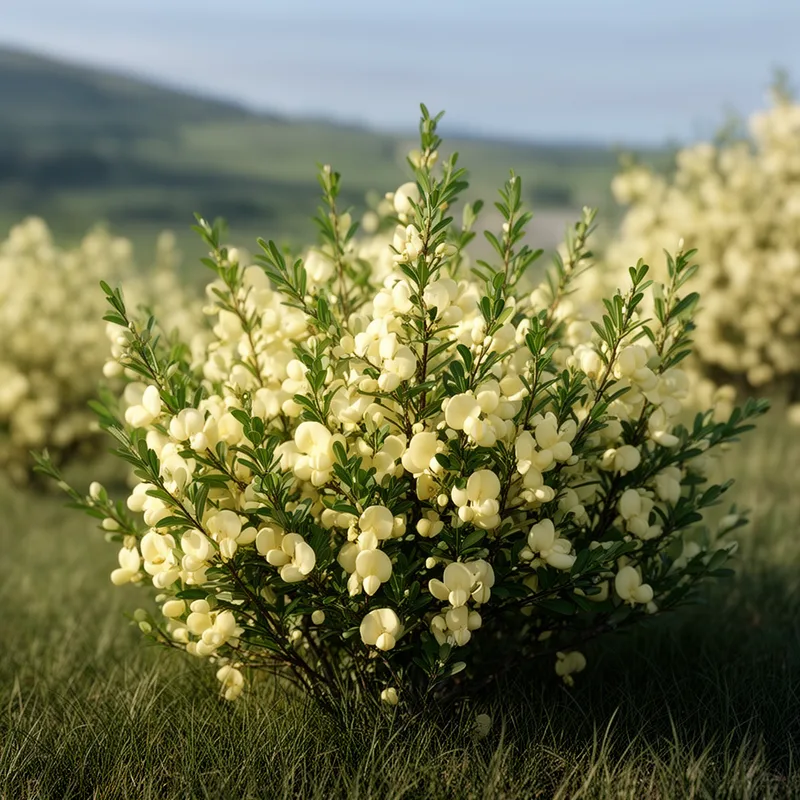
white broom
- noun
- UK
- The hillside was covered with blooming white broom in early summer.
Examples
-
Unlike common broom, white broom has lighter-colored blossoms and a milder scent.
-
Gardeners often plant white broom for its attractive pale flowers and compact shape.
-
The white broom blooms beautifully in spring.
-
I saw a white broom while hiking in the countryside.
-
Gardeners often plant white broom for its attractive pale flowers and compact shape.
-
The hillside was covered with blooming white broom in early summer.
-
Unlike common broom, white broom has lighter-colored blossoms and a milder scent.
Synonyms

Low European shrub with leaves in groups of three and pale yellow flowers

A low European bush with leaves in groups of three and pale yellow flowers
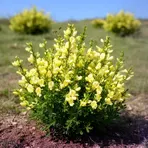
A low shrub from Europe with leaves of three small parts and pale yellow flowers
Surface Forms
Morphology
The phrase is a simple color + noun composition: 'white' (color) modifying 'broom' (a shrub), so the meaning 'a broom shrub that is white' is directly derivable from the constituents. Color + noun constructions are cross-linguistically common and follow basic compositional rules, so a B1 learner who knows both words would understand this sense (context disambiguates it from the cleaning tool meaning).
Etymology
White broom comes from a simple picture: the low, branchy bush has many thin stems like a broom and pale, almost white flowers. So the name links the plant's pale color and its broom-like branches to the meaning we use today.

