

Cytisus albus
- noun
- Specialized
- The garden featured a beautiful specimen of Cytisus albus near the stone path.
Examples
-
The low-growing shrub, Cytisus albus, thrives in sunny locations with well-drained soil.
-
Botanists studied the flowering patterns of Cytisus albus in its native habitat.
-
Cytisus albus is well-suited to sandy, well-drained soils.
-
The Cytisus albus is often found in sandy soils.
-
Have you seen the beautiful Cytisus albus blooming?
-
Cytisus albus is a popular choice for gardens due to its attractive yellowish-white flowers.
-
In spring, Cytisus albus fills the air with its bright, cheerful blooms.
Synonyms

A low European bush with leaves in groups of three and pale yellow flowers

A low shrub from Europe with leaves in groups of three and pale yellow flowers
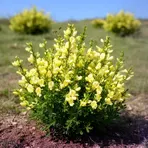
A low shrub from Europe with leaves of three small parts and pale yellow flowers
Surface Forms
Morphology
Cytisus + albus
This binomial is transparently compositional: it combines the genus name 'Cytisus' (a broom shrub) with the Latin epithet 'albus' (white), so a learner who knows both constituents can infer 'the white Cytisus' or a broom shrub with white/yellowish flowers. Botanical Latin follows predictable naming conventions cross-linguistically, making the meaning derivable from the parts for learners aware of the constituent meanings.
Etymology
Cytisus albus: The plant name Cytisus albus comes from an old name Cytisus for broom shrubs and the Latin word albus, which means 'white'. Because this low shrub has pale yellow-white flowers, the name points to its colour and is still used for this white broom.

