
western wheatgrass
- noun
- /ˈwɛstərn ˈwiːtˌɡræs/
- US
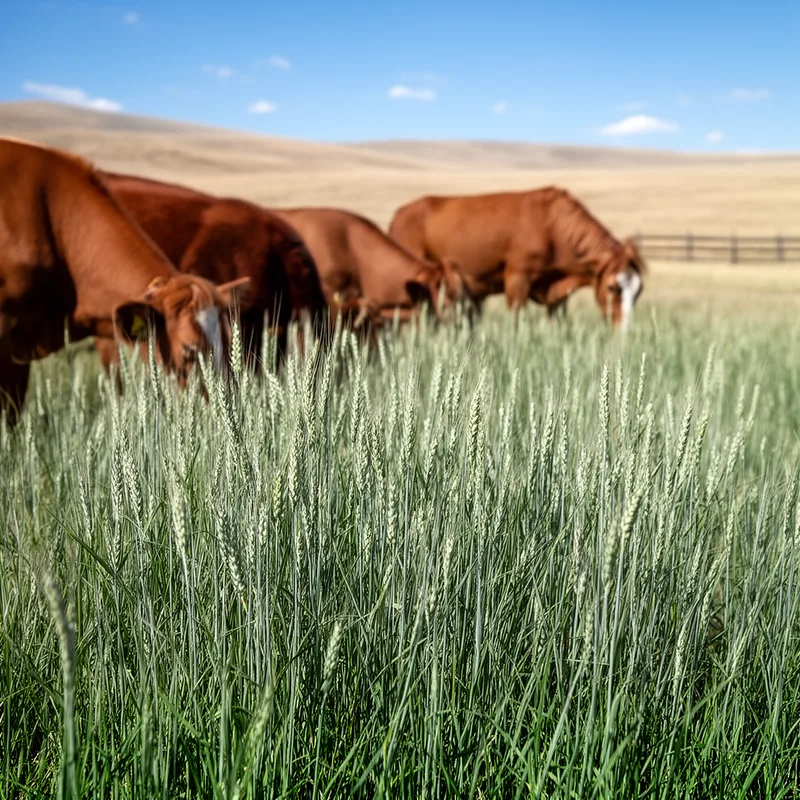
- The resilient western wheatgrass can thrive in various soil types, making it a popular choice for ranchers.
- western wheatgrass (Pascopyrum smithii)
Examples
-
Seed heads of various native grasses (left to right): western wheatgrass, Snake River wheatgrass, Indian ricegrass, Great Basin wildrye, squirreltail, and green needlegrass.
Academic text (2000) -
PHOTO: To determine growth activity, rangeland scientist Marshall Haferkamp measures the water status of a western wheatgrass plant. (K5683-1)
Academic text (1994) -
Warm-season grasses are most productive during the summer months, while cool-season grasses like western wheatgrass, Pascopyrum smithii, grow in spring and fall.
Academic text (1997) -
Farmers often plant western wheatgrass because it provides excellent forage for their livestock.
-
During the spring, western wheatgrass quickly grows, offering nutritious feed for grazing animals.
Synonyms

A grass used to feed animals like cows and keep soil in place in the western United States
Surface Forms
Morphology
western + wheatgrass
The noun phrase is a straightforward adjective + noun combination: 'western' indicates geographic origin and 'wheatgrass' names a type of grass, so the meaning 'wheatgrass from the west / native to western regions' is directly derivable from the parts. This compositional pattern is common and predictable across languages, so learners who know the constituent words can readily infer the MWE meaning.
Etymology
Western wheatgrass gets its name from a simple picture: it is a kind of wheatgrass, a grass whose top looks like wheat, that grows in the western parts of North America. That's why the name tells you it is a grass used as 'forage' or food for farm animals.

