
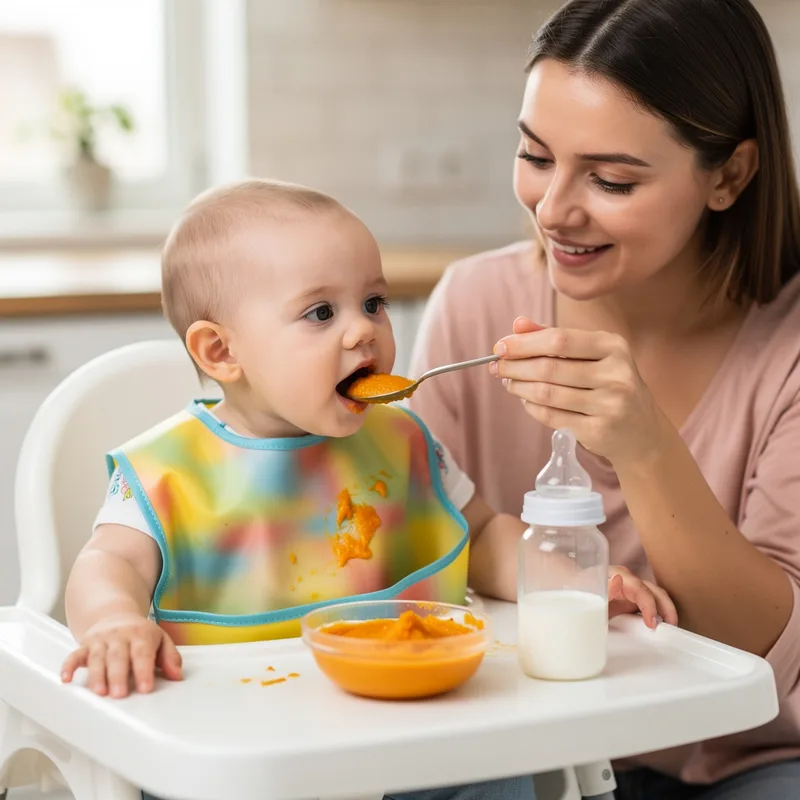
weaning
 2
3.7
2
3.7

- noun
- /ˈwiːnɪŋ/
- Weaning is often very hard on the mother for a week or two, or more.
- post-weaning
- Weaning occurs
- weaning age
Loading YouTube…
Watch on YouTubeAnd the average age of weaning was between three and five years.
- And the average age of weaning was between three and five years.
- So I do think early weaning is important.
- I think because I've done baby LED weaning, he really likes like proper food.
- Am I going to look back on this and regret weaning early for something that didn't even happen?
- So there's the, the stuff that you have to invest, which for most females isn't just the egg, it's the gestation, it's the weaning.
- In the early days, weaning bowls, plastic bowls and weaning spoons.
Examples
-
Also, weaning may coincide with other life changes, like returning to work or beginning another pregnancy.
Fiction book (1996) -
The major challenge confronting cubs after weaning is obtaining enough solid food to survive and grow.
Academic text (1998) -
And the average age of weaning was between three and five years.
-
So I do think early weaning is important.
-
Is there anything you found particularly difficult when you started the weaning process?
Blog text (1) -
Red meat should be one of the very first foods your baby eats when they're weaning off breast milk.
-
Gradual weaning was generally regarded as essential for a child's well-being.
Academic text (1994) -
After birth, young ones follow their mother for up to 4-5 months for weaning (Duckworth and Mackinnon, 2008).
Academic text (2015) -
Weaning is an essential step for infants as they begin to eat solid food instead of just relying on weaning from breast milk.
-
The major challenge confronting cubs after weaning is obtaining enough solid food to survive and grow.
Synonyms
Gradually giving a baby or young animal other food instead of mother's milk
Antonyms


How Weaned

Surface Forms
Morphology
Etymology
The word weaning comes from the old English verb wean, which meant 'to accustom' or 'to make used to'. So weaning is the slow process of getting a baby 'used to' other food instead of its mother's milk.