
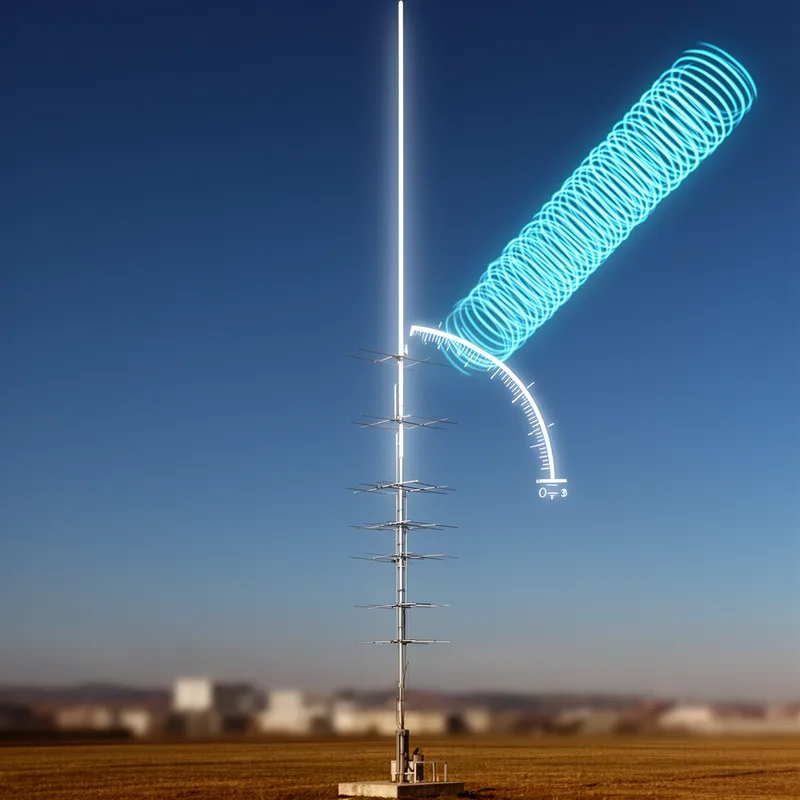
wave angle
- noun
- Specialized
- Accurate measurement of the wave angle is essential for precise localization of radio signals.
Examples
-
The engineer adjusted the antenna to optimize reception based on the wave angle.
-
By analyzing the wave angle, technicians can reduce interference between multiple transmitters.
-
The wave angle affects signal reception.
-
Can you measure the wave angle accurately?
-
Accurate measurement of the wave angle is essential for precise localization of radio signals.
-
By analyzing the wave angle, technicians can reduce interference between multiple transmitters.
-
The engineer adjusted the antenna to optimize reception based on the wave angle.
Synonyms

 401
2.5
401
2.5

The space between two lines or surfaces that meet at a point
How Large


Surface Forms
Morphology
The compound 'wave angle' is directly composed from 'wave' and 'angle' and denotes the angle or direction of waves — a meaning that is transparently derivable from the constituent words. Although it is a technical term used in coastal science, the literal composition follows standard noun + noun naming patterns and a B1 learner who knows both words can reasonably infer the basic meaning.
Etymology
The term wave angle comes from picturing an invisible radio wave hitting a straight row of antennas; the angle is how slanted the wave is compared with the row. So, it refers to the 'direction' the signal arrives at or leaves the antenna, and knowing it helps find or tune the signal.