

water chinquapin
- noun
- /ˈwɔːtər ˈʧɪŋkwəpɪn/
- US
- The pond was covered with water chinquapin, its pale yellow flowers standing out against the green leaves.
Examples
-
We spotted several water chinquapins during our canoe trip through the marsh.
-
Native Americans historically used the seeds of the water chinquapin as a food source.
-
Many people enjoy the taste of water chinquapins in salads.
-
Have you ever tried water chinquapin nuts?
-
Native Americans historically used the seeds of the water chinquapin as a food source.
-
The pond was covered with water chinquapin, its pale yellow flowers standing out against the green leaves.
-
Many people enjoy the taste of water chinquapin in salads.
Synonyms
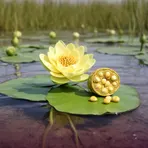
A water lily with pale yellow flowers and round edible seeds that grows in shallow ponds
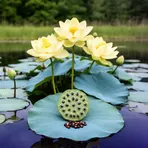
A water plant with pale yellow flowers and edible seeds that grows in ponds in eastern North America

A water plant with large round leaves, pale yellow flowers, and edible seeds that grows in shallow ponds
Surface Forms
Morphology
The compound is directly compositional: 'water' modifies 'chinquapin' to indicate a chinquapin-like nut associated with water/an aquatic plant, and knowing 'chinquapin' as a small edible nut yields the idea of an edible water-associated seed. The 'water + noun' pattern (e.g. water-lily, water-chestnut) is common cross-linguistically, so a B1 learner who knows both constituents would likely infer the meaning.
Etymology
Water chinquapin gets its name from its round, edible seeds and the place it grows. People called the seed chinquapin because it tastes like a small land chestnut, and they added water to show it grows in ponds. That's why the name points to a water plant with nutlike, edible seeds.

