
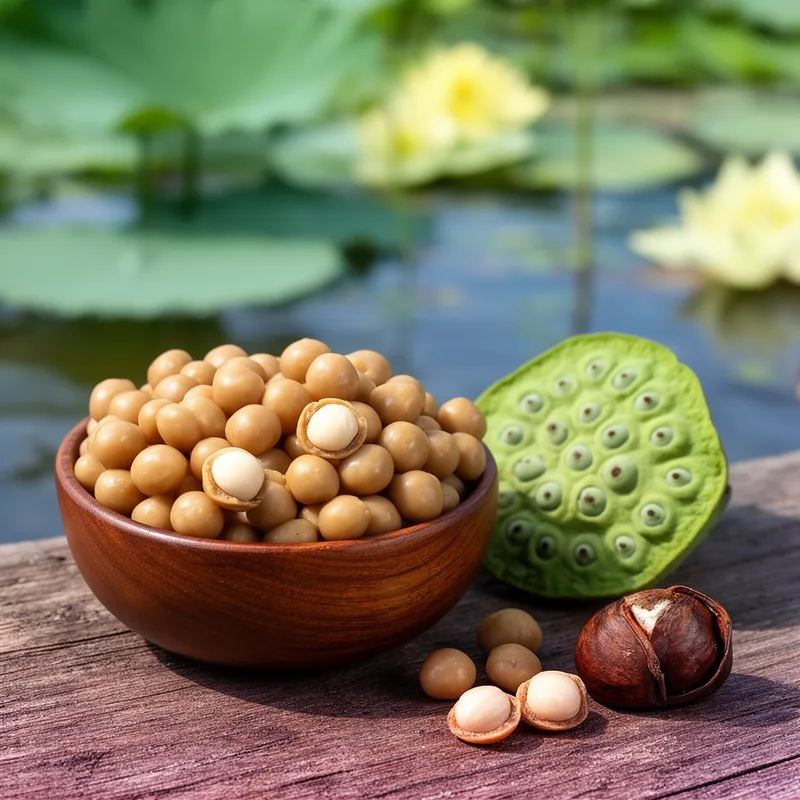
water chinquapin
- noun
- US
- Some chefs use water chinquapin as a unique addition to their dishes due to its distinctive taste.
Examples
-
The water chinquapin was once an important food for Native Americans in some regions.
-
Many wildfowl feed on water chinquapin seeds growing in shallow ponds and lakes.
-
I enjoyed the taste of water chinquapin in my salad.
-
Have you ever tried water chinquapin?
-
Many wildfowl feed on water chinquapin seeds growing in shallow ponds and lakes.
-
I enjoyed the taste of water chinquapin in my salad.
-
Some chefs use water chinquapin as a unique addition to their dishes due to its distinctive taste.
Surface Forms
Morphology
The compound is directly compositional: 'water' modifies 'chinquapin' to indicate a chinquapin-like nut associated with water/an aquatic plant, and knowing 'chinquapin' as a small edible nut yields the idea of an edible water-associated seed. The 'water + noun' pattern (e.g. water-lily, water-chestnut) is common cross-linguistically, so a B1 learner who knows both constituents would likely infer the meaning.
Etymology
Water chinquapin refers to the edible, nutlike seed found in water plants. The seed was called chinquapin because it looks and tastes like the small land nut, and adding water shows it comes from ponds or lakes. That's why the name means the nutlike seed of a water lily or lotus.

