
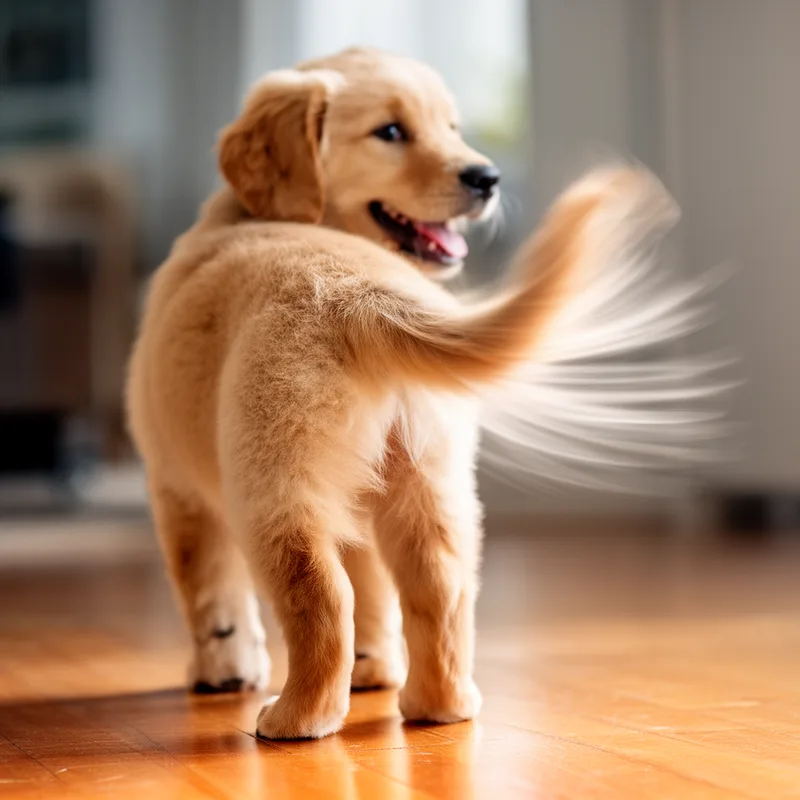
to waggle
 7
4.5
7
4.5

- verb
- /ˈwæɡəl/
- Instead, she speaks to the dog, who waggles his ears attentively at her.
- waggled her fingers
- waggled his eyebrows
- waggled his head
Examples
-
All right, waggle.
-
Smart tongues don't waggle for long.
-
Is there anybody here who can waggle his ears?
-
Waggle it and let the big dog eat.
-
There are some who tie a cloth to their rifles and waggle it like a flag.
Fiction book (1994) -
- Just waggle it.
-
I sat in the dining room and waggled my thumbs, trying to see a transformation.
Fiction book (1999) -
I poked a foot out from under the blanket and waggled my long toes in the moonlight.
Fiction book (1991) -
When the Master squints and waggles his head, the elephant rocks onto its hind legs and pivots.
Fiction book (1995) -
The children waggle their fingers to get the teacher's attention.
Synonyms
 91
2.8
91
2.8
To make very small, quick moves back and forth
 89
1.0
89
1.0
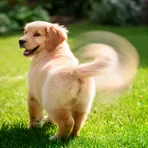
To move with small, quick movements from side to side or up and down
 83
2.3
83
2.3
To move a part of the body up and down or back and forth quickly
 77
2.4
77
2.4
To move slowly from side to side in a gentle rhythm
 54
1.4
54
1.4
To move up and down quickly, like wings or flags
 46
3.2
46
3.2
To move something in short, quick shaking movements
 40
3.8
40
3.8
To move or shake unsteadily from side to side
 35
3.5
35
3.5
To move quickly and lightly back and forth, like wings or leaves
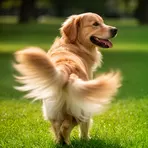 32
1.4
32
1.4
To move quickly from side to side or up and down again and again
 8
6.5
8
6.5
Move back and forth in a steady rhythm like a fan
 1
7.4
1
7.4
To shake slightly with quick movements


 1
6.9
1
6.9
To move quickly and lightly, like a small bird or moth

To move something lightly and repeatedly so it shakes
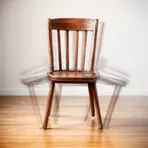
To move unsteadily from side to side
Antonyms

How Vigorous

Surface Forms
Morphology
Etymology
Waggle as a verb comes from wag ('to move side to side') with the ending -le that makes actions 'repeated' or 'small'. So to waggle is to move something side to side again and again, like a loose tooth or bait in the water.