
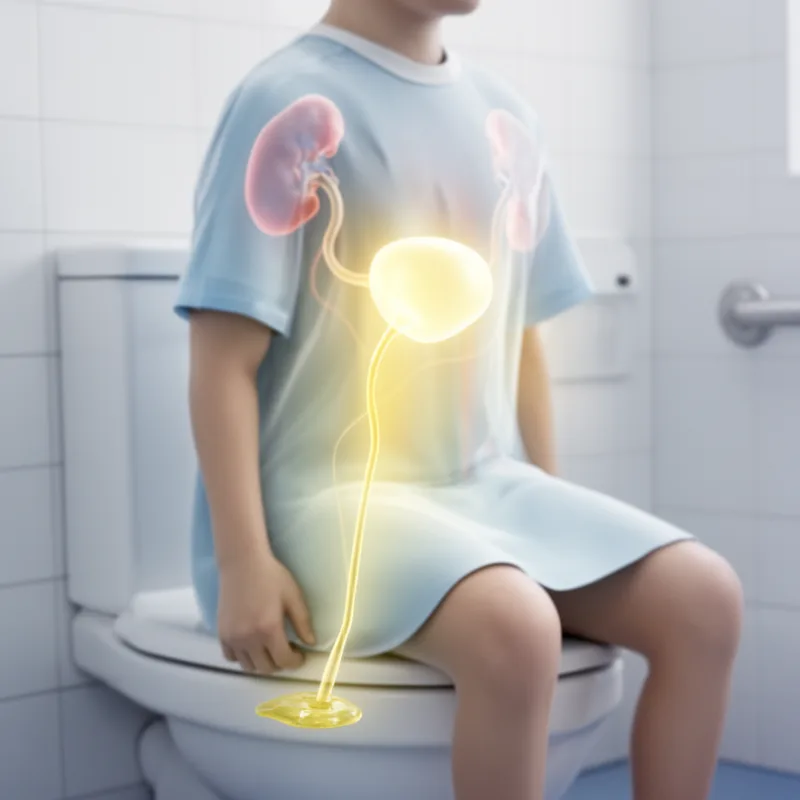
to void
 3
9.4
3
9.4

- verb
- /vɔɪd/
- NSFW
- The patient should be encouraged to stand or sit to void.
- need to void
Examples
-
If the patient does not have a catheter and is unable to void, a check of residual urine is indicated.
Academic text (2005) -
A bladder scanner can be used to determine the amount of urine present in the bladder after voiding.
Academic text (2005) -
You know, they'd void their bowels everywhere but the bathroom.
-
Failing to respond to the need to void contributes to bedwetting rather than how deeply the child sleeps.
Academic text (2012) -
Most spinal surgery patients will have a Foley catheter until they are able to get out of bed to void.
Academic text (2005) -
Feces were collected for 5 days, and samples of feed and feces voided were collected in airtight containers.
Academic text (2015) -
If the patient is unable to void or is not emptying the bladder completely, crede of the bladder and mild straining techniques can be helpful.
Academic text (2005) -
The child or young person may need to void two or three times during the night before the bladder is actually full; this is often accompanied by daytime symptoms of urinary urgency, frequency, and incontinence.
Academic text (2012) -
The bladder is a hollow muscular organ lying in the pelvis, which has an important role in the storage of urine before it is voided through the urethra.
Academic text (2011) -
When the patient feels the urge, they should promptly void to avoid discomfort.
Synonyms
 179
1.0
179
1.0
To remove everything from a container or place
 3
7.4
3
7.4
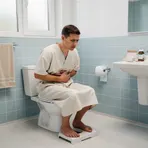
To move waste out of the body, usually from the bowels
Antonyms

Idioms

How Formal

Surface Forms
Etymology
Void in medical use comes from the same root vacare 'to be empty' that gave us vacuum and vacant. Doctors use 'void' to mean 'empty' the bladder, so to void is to pass out bodily waste and make the bladder empty.