

to pass water
- phrasal verb
- UK
- The doctor asked if he had any difficulty passing water.
Examples
-
Elderly people may sometimes need assistance to pass water comfortably.
-
She excused herself to pass water before their walk began.
-
He needs to pass water before the meeting.
-
Can you wait while I pass water?
-
After a long hike, he finally found a place to pass water in the bushes.
-
She rushed to the restroom because she couldn't hold it any longer and needed to pass water.
-
During the camping trip, we had to find a discreet spot to pass water away from the tents.
Synonyms

 947
8.3
947
8.3

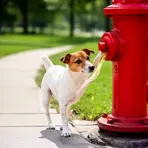
To pass urine in rude speech
 371
2.6
371
2.6
To let out the body's yellow liquid
 69
3.3
69
3.3
To pass urine
 52
9.9
52
9.9
To pee in a rude way
 41
9.3
41
9.3
To pee or pass urine from your body
 11
7.5
11
7.5
To pee or poo, usually in a toilet
 5
9.5
5
9.5
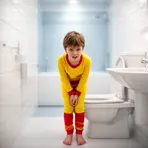
To pee when you need the toilet
 4
9.7
4
9.7
To pee when you need to go to the toilet
 2
8.1
2
8.1
To pass urine from the body, often said to children
 1
9.2
1
9.2
To pee, often used about children or animals
 1
9.1
1
9.1
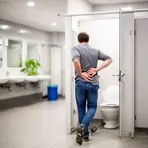
To pass urine from the body

 1
9.9
1
9.9
To go to the toilet to pee

To pass urine from the body

To let out urine from the body

An act of peeing to empty your bladder
Antonyms

How Formal
69
3.3

- UK
- Informal
371
2.6
- NSFW
41
9.3
- Offensive
81
8.4
Surface Forms
Morphology
The verb 'pass' can mean to expel bodily waste and 'water' is sometimes used euphemistically to mean urine, so a learner who recognises that secondary sense could infer 'to urinate'. However, 'water' meaning 'urine' is not the primary sense and the phrase is somewhat euphemistic/medical and varies across languages, so the meaning is not fully predictable for an average B1 learner without prior exposure.
Etymology
Pass water may come from the simple image of liquid moving out of the body, with pass meaning 'let go' and water meaning urine. So, it became a polite way to say 'to urinate'.