
viejo
- adjective
- /viˈeɪhoʊ/
- US
- Locals gather every year to celebrate the viejo traditions of their ancestors.
Examples
-
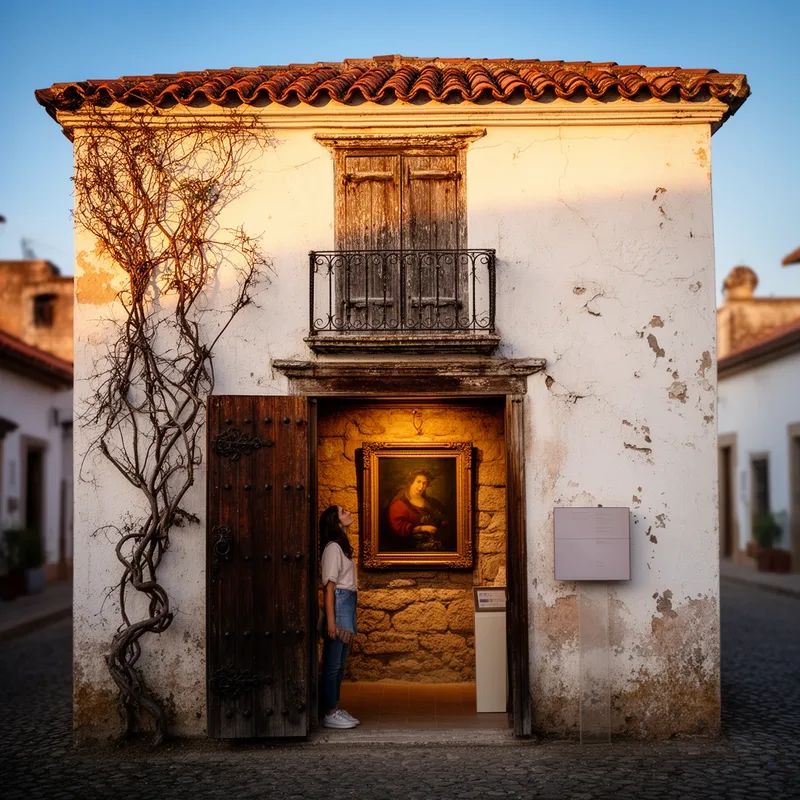
She admired the viejo painting that had been passed down through generations.
-
The viejo house on the corner has a lot of history.
-
The viejo house at the end of the street is now a museum.
-
The viejo traditions of my family are very important to me.
-
The viejo house at the end of the street is now a museum.
-
She admired the viejo painting that had been passed down through generations.
-
The viejo traditions of my family are very important to me.
Synonyms

 908
6.1
908
6.1

Relating to a very early stage in a language, period, or culture
How Old

Surface Forms
Etymology
Viejo comes from Spanish viejo, which means 'old' and goes back to the Latin root vetus 'old', the same root you see in the English word veteran, a person with long experience. So when English uses viejo for a house or tradition, it points out that something is old or from an earlier time.