
vestibulospinal
- adjective
- /ˌvɛstɪbjuˈloʊspaɪnəl/
- Specialized
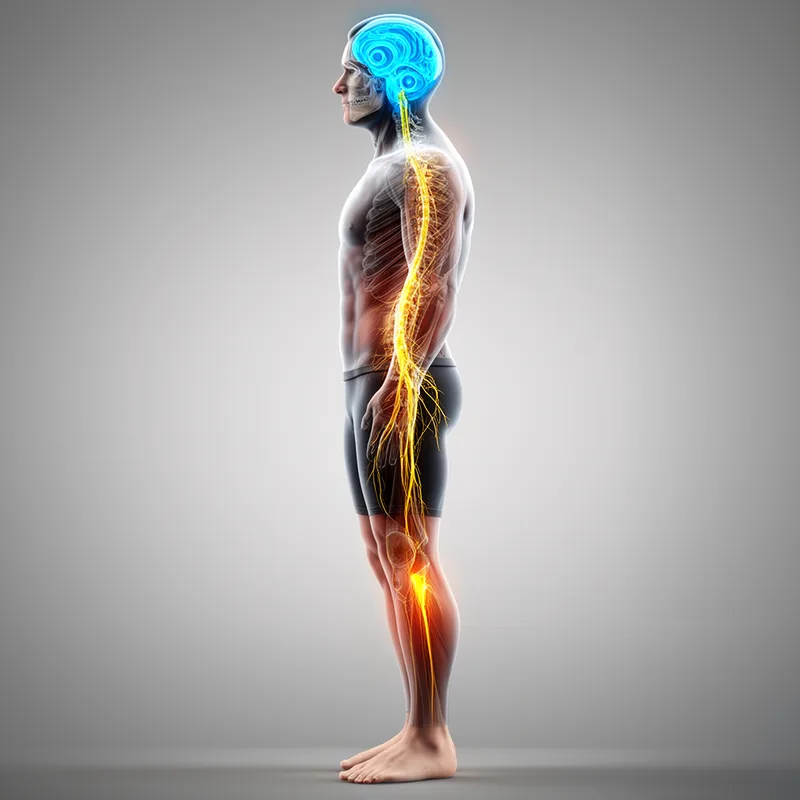
- The vestibulospinal reflex initiates the compensatory body movements necessary to maintain posture and stabilize the head over the trunk.
- vestibulospinal reflexes
Examples
-
The cerebellum plays a prominent role in regulating the output of the vestibulospinal system through extensive reciprocal connections with the vestibular nuclei.
Academic text (1999) -
Injury to the vestibulospinal pathways can lead to difficulties in posture and coordination.
-
Distinction among vestibulospinal, visual, and somatosensory dysfunction is difficult.
Academic text (1999) -
Changes in the vestibulospinal reflex are difficult to assess because of functional overlap with sensory and motor functions.
Academic text (1999) -
(n4) There are positional, acceleratory, and righting vestibulospinal reflexes.
Academic text (1999) -
The great overlap that exists between the different systems that subserve the balance function renders the interpretation of measurements of the vestibulo-ocular and the vestibulospinal reflexes difficult.
Academic text (1999) -
The vestibulospinal system plays a critical role in helping us maintain our balance while walking.
-
Research shows that the vestibulospinal reflex helps prevent falls by adjusting our body's posture in response to changes in balance.
Surface Forms
Morphology
Etymology
Vestibulospinal comes from vestibulo- (from Latin vestibulum, 'entrance', as in the word vestibule) and spinal (from spine, 'back'). Think of a path from the 'entrance' area of the inner ear to the spine, so when something is described as vestibulospinal it relates to the nerve routes that help control balance and posture.

