
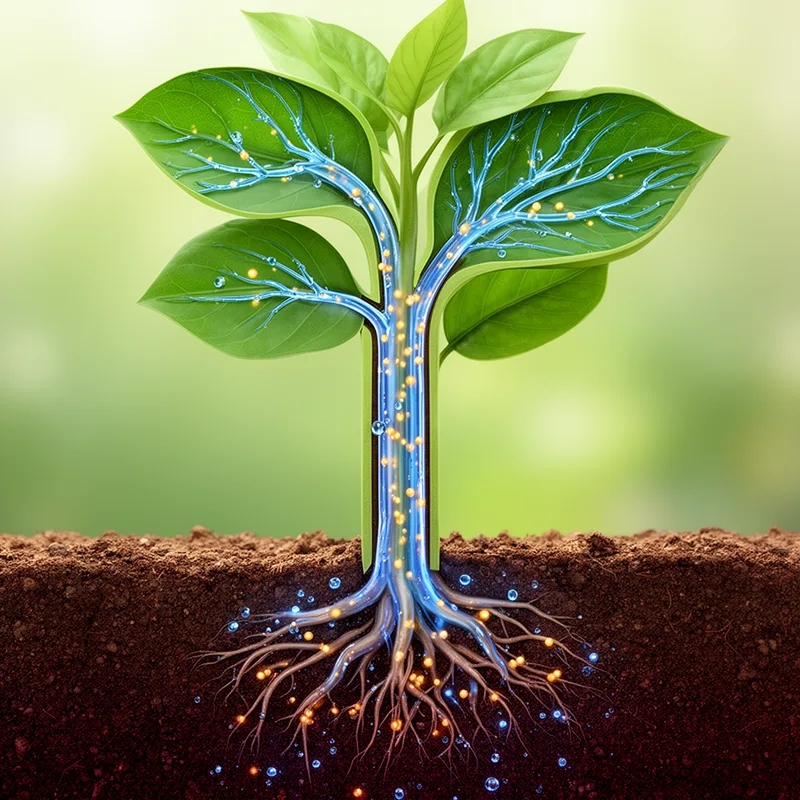
vascular tissue
- noun
- /ˈvæskjələr ˈtɪʃu/
- Specialized
- Botanists study vascular tissue to better understand how plants adapt to different environments.
Examples
-
Damage to the vascular tissue can seriously hinder a plant's growth and survival.
-
Most higher plants rely on vascular tissue to transport water and nutrients from the soil to their leaves.
-
The vascular tissue in plants is essential for nutrient transport.
-
Many plants rely on vascular tissues to thrive in various environments.
-
In higher plants, vascular tissue is essential for transporting water and nutrients from the roots to the leaves.
-
Without vascular tissue, plants would struggle to efficiently distribute water and nutrients throughout their structures.
-
The presence of vascular tissue allows plants to grow taller and thrive in various environments.
Synonyms
 3
3.9
3
3.9

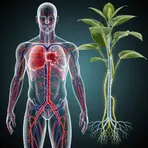
A network of tubes in animals and plants that carries blood, water, and nutrients around the body
 1
7.8
1
7.8
A network of blood vessels in a person, animal, or plant
How Vascular
- Specialized

- Specialized
Surface Forms
Morphology
The phrase 'vascular tissue' is directly compositional: 'vascular' (relating to vessels that transport blood) + 'tissue' (a group of cells) yields the meaning 'tissue containing or related to blood vessels.' Although somewhat technical, the semantic components map transparently and the logic is cross-linguistically common, so a B1 learner who knows both words can readily infer the MWE's meaning.
Etymology
Vascular tissue comes from the idea in the word vascular, which points to tiny vessels or tubes inside a plant that act like pipes to move water and food. So vascular tissue means the plant tissue that 'carries' water and nutrients.