

vacuity
- noun
- /vəˈkjuːɪti/
- The artist's use of vacuity in the painting emphasized the contrast between life and nothingness.
Examples
-
The gray vacuity of the back of the room contrasted with the intensity of the boys before him.
Fiction book (1995) -
Later, when landscape itself has taken center stage, there often remains a sense of absence or vacuity in the picture, what Adorno might term a "bad" emptiness.
Academic text (2007) -
The vacuity of the abandoned building gave it an eerie atmosphere.
-
She felt a sense of vacuity after finishing her last exam, as if a weight had been lifted but left an empty space.
Synonyms

 182
6.5
182
6.5

A very empty space or feeling that is hard to fill
 77
4.2
77
4.2
A space with no air or other matter
 32
7.2
32
7.2
A state with no people or things in it
 14
3.6
14
3.6
A space or place that has nothing in it
 5
2.7
5
2.7
An empty space or area with nothing in it
 4
4.3
4
4.3
A feeling of emptiness with no thoughts or emotion
 3
1.6
3
1.6
An empty area for writing or filling in information
 1
5.3
1
5.3
An empty space inside a thing, like a tree trunk or cheek


 1
9.2
1
9.2
A state of being empty of meaning and thought

A feeling of emptiness after something important ends

A place or space with nothing in it and no activity
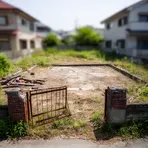
A situation when something does not exist
Antonyms


How Empty

Surface Forms
Morphology
vacuity = vacuous (semi-transparent) = vacu + ity
The noun is formed from the combining form 'vacu-' + '-ity' and relates clearly to 'vacuous'/'vacant' (emptiness), but the Latin-derived form and spelling change can make the relation less obvious to learners.
Etymology
Vacuity comes from the Latin word vacuus meaning 'empty', and it is the same root as vacuum and vacant; so vacuity can mean a real, physical empty space, like a room or container with nothing inside.