
untrod
- adjective
- /ʌnˈtrɒd/
- Archaic
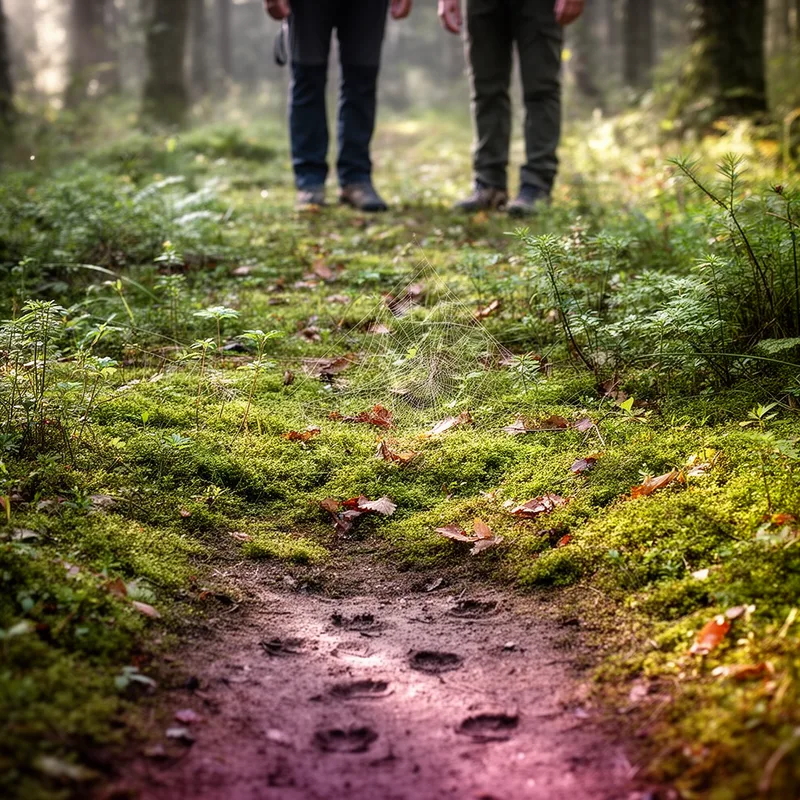
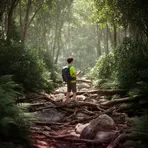
- The hikers ventured deep into the untrod forest, where no clear path could be seen.
Examples
-
Much of the island remained untrod, covered in wild vegetation.
-
She dreamed of exploring untrod lands, far from civilization.
-
The forest remained untrod for many years.
-
An untrod path led to the hidden valley.
-
Much of the island remained untrod, covered in wild vegetation and untouched by human feet.
-
She dreamed of exploring untrod lands, where nature thrived unspoiled by civilization.
-
The hikers ventured deep into the untrod forest, discovering a tranquil beauty that few had witnessed.
Synonyms

 42
6.5
42
6.5

A place not yet explored or mapped
 2
7.9
2
7.9
An area with no road or path and no sign of travel
 2
5.1
2
5.1
An area with no roads
 1
6.3
1
6.3
A path or area that no one has visited
 1
4.1
1
4.1
Something that no one has seen before
 1
8.0
1
8.0
A place that has no people living there

 1
8.8
1
8.8
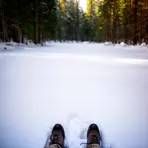
Land or paths that have not been walked on
 1
7.7
1
7.7
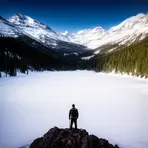
A place where there are no paths or roads and very few people have been
 1
7.7
1
7.7
A place with no clear ways to walk
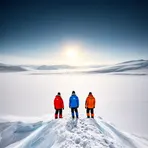
A place people have not gone through or explored

Land where people do not walk, often far from towns
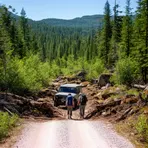
Land with no roads that cars or trucks cannot reach
An area with no footprints that people have not walked on

To move without leaving marks or signs behind

In a place with no path or track for walking

Free from cars and people

Not lived in or visited by people

A place with no clear paths that people have not explored
How Walked On

- Archaic
Surface Forms
Morphology
untrod = trod (transparent) = un + trod
Formed by productive prefix 'un-' plus past form 'trod'; meaning 'not trodden' is directly inferable for learners.
Etymology
Untrod is made of un- meaning 'not' and trod, the past of tread which means 'to step' or 'walk'. So untrod describes land or places that nobody has walked on and has no paths or tracks.