

unrhetorical
- adjective
- /ʌnˈrɛtɚɪkəl/
- Formal
- Her speech was remarkably unrhetorical, focusing on facts rather than flourish.
Examples
-
The novel’s unrhetorical prose makes the complex subject easy to understand.
-
He delivered his message in a plain, unrhetorical manner, avoiding grandiose language.
-
Her speech was unrhetorical and to the point.
-
He prefers an unrhetorical style when writing.
-
He delivered his message in a plain, unrhetorical manner, avoiding grandiose language.
-
Her speech was remarkably unrhetorical, focusing on facts rather than flourish.
-
The novel’s unrhetorical prose makes the complex subject easy to understand.
Synonyms

 5
8.3
5
8.3

Using very few words, often sounding rude

Plain, direct writing that is not showy

Being calm and natural in behavior or expression
Antonyms
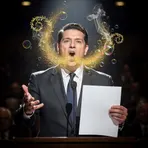

- Literature
26
7.0
Using long, fancy words and complicated sentences that make writing hard to follow
How Rhetorical
- Literature

 1
9.9
1
9.9

- Literature
26
7.0
86
7.3
- Formal
51
3.6
Surface Forms
Morphology
unrhetorical = rhetorical (transparent) = un + rhetoric + al
The adjective is formed by simply negating 'rhetorical' with the productive prefix 'un-', giving a straightforward opposite meaning.
Etymology
Unrhetorical begins with un- meaning 'not' and the part rhetorical, which comes from Greek rhetor meaning 'speaker' and refers to fancy or convincing speech. So unrhetorical means 'not using fancy talk' and describes plain, direct language.