

ornate
 26
7.0
26
7.0

- adjective
- /ɔrˈneɪt/
- Literature
- The ornate decorations on the wedding cake impressed all the guests.
- highly ornate
- colorful and ornate
- ornate furniture
Loading YouTube…
Watch on YouTubeThat was a very ornate, complex set of relationships.
- That was a very ornate, complex set of relationships.
- But now we're in this decadent, ornate studio not built for podcasting, OK?
- It's kind of like a burnt gold and it's very antique looking and very ornate.
- You know, they've, they've built this incredibly ornate business in their head all based on this feeling this must be a good idea.
- It says in a peaceful age, I might have written ornate or merely descriptive books and might have remained almost unaware of my political loyalties.
- But yeah, it's it's, it's nice to just sit down and do something ornate.
- If you're going to outfit your bar, get some cool, really thin or really ornate, you're going to feel like a goddamn king when you drink.
Examples
-
The rooms are all lighted by massive and ornate chandeliers and pleasantly papered with the finest printed calico.
Fiction book (1992) -
A very ornate dagger.
-
It's like an ancient, ornate book.
-
Next to the fourth wall stood an ornate, bright red chair.
Academic text (1991) -
The view of downtown Los Angeles from the enormous, ornate house is extraordinary.
Fiction book (1990) -
This is like one of the most ornate temples we've been to.
-
The scene, with the black-robed monks sitting at ornate wooden tables.
Academic text (2003) -
A long gown draped in folds from the ornate pins at her shoulder.
Fiction book (1992) -
The largest graves are grandiose, decorated by ornate carving, colorful tiles, and photographs of the deceased.
Academic text (1993) -
A faded carpet patterned with roses and an ornate dressing table with many small drawers and a swing mirror.
Fiction book (1990)
Synonyms
 497
2.7
497
2.7
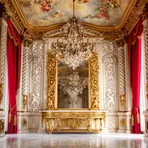
Decorative and not plain, often with many small details
 27
7.5
27
7.5
Too big and showy in a way that tries to seem more important than it is
 8
5.3
8
5.3
Using long, fancy words and many extra details
 6
8.1
6
8.1
Having a lot of rich decoration, often seen in art, buildings, or music
 3
8.6
3
8.6
Being very decorated and showy in style, often with many small details

Having many rich decorative details that look complex

Having very fancy, flowery language with many showy words

Writing or speech that is too long, showy, and hard to read

Too decorated so it looks showy and not natural

Too decorated with extra words or details that distract the reader

Speech or writing that uses very grand, showy language
Antonyms


How Ornate

Surface Forms
Morphology
ornate = ornament (semi-transparent) = orn + ate
The meaning is recognizably related to 'ornament' (decoration), but 'ornate' is a borrowed adjective formed from a Latin stem plus -ate rather than a productive modern English suffixation, so learners may only partially deduce the meaning.
Etymology
Ornate comes from the Latin verb ornare, which means 'to decorate'. Think of ornament, a pretty thing you add to make something look richer, and that's why ornate means richly decorated or, when used for writing, full of fancy, complicated words.