

unrevivable
- adjective
- /ˌʌnrɪˈvaɪbəl/
- The company’s reputation was unrevivable following the major scandal.
Examples
-
Some friendships become unrevivable after years of misunderstanding and distance.
-
After the fire, the ancient manuscripts were unrevivable and lost forever.
-
The ancient tree was unrevivable after the storm.
-
After years of neglect, the project became unrevivable.
-
The ancient tree was so damaged that it was deemed unrevivable.
-
After the long winter, many plants in the garden were unrevivable and needed to be replaced.
-
The project failed completely, leaving several ideas unrevivable for future use.
Synonyms

 4
8.5
4
8.5

You cannot get it back or fix it after it is lost

Impossible to get back

Not able to be made like it was before
Antonyms



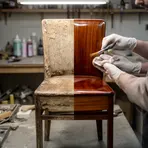
How Restorable

Surface Forms
Morphology
Etymology
Unrevivable breaks into un- 'not', revive 'bring back to life', and -able 'able to'. The part revive comes from the old Latin word vivere meaning 'to live', and you can see this in English words like 'alive' and 'survive'. So unrevivable means 'not able to be brought back to life or restored'.