

to revive
 104
4.2
104
4.2

- verb
- /rɪˈvaɪv/
- And yet there's still hope to revive the northern white rhino.
- efforts to revive
- revive the economy
- revive the tradition
Loading YouTube…
Watch on YouTubeThree agents who have revived their real estate glory.
- Three agents who have revived their real estate glory.
- We need more places that revive the old neighborhood.
- And so we have to adopt and we have to revive radical pure Islam.
- What, what will it take for Cairo or for Egypt to revive itself?
- It is not, but I have revived my old Lauren beauty vlogs channel.
- You could revive and refresh any piece of tech, what would it be?
- And they also, and this is not, this is not widely known, but they also revive a government in exile for Ukraine.
- The mayor, in an attempt to boost morale and his voting numbers through revived tourism, is not swayed by this.
Examples
-
"The tradition is being revived because civil society is feeling increasingly squeezed," Prokhorova said.
Academic text (2011) -
We need more places that revive the old neighborhood.
-
It's so smart to revive a classic.
-
You could revive and refresh any piece of tech, what would it be?
-
Finally, all these countries are eager to revive or create strong local governments.
Academic text (1991) -
Now New Delhi is trying to revive its partnership with Tehran in Afghanistan.
Academic text (2011) -
Both bills have lingered in Congress, though the CHOICE Act has been revived in the new Congress.
Academic text (2017) -
It boycotted British products and revived domestic products and production and had some success.
-
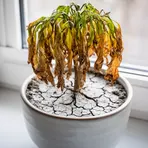
The geraniums on the windowsills had revived and were again in red bloom.
Fiction book (1993) -
The local community organized a festival to revive interest in traditional crafts.
Synonyms
 234
3.8
234
3.8
Make someone feel healthy and full of energy again
 94
3.7
94
3.7
Start again after a pause, often a relationship or activity
 45
4.8
45
4.8
To give new life and energy to something
 43
3.9
43
3.9
To bring something back after it was gone or not used
 42
6.8
42
6.8
Bring something back into use after it was forgotten
 41
4.3
41
4.3
To make something work again after it stopped
 37
4.3
37
4.3
To bring back something that stopped or was lost
 33
5.1
33
5.1
Make a feeling or interest strong again
 16
7.2
16
7.2
To bring back life and energy to a person or thing
 15
4.6
15
4.6
To make an interest, feeling, or activity start again after it stopped
 15
5.5
15
5.5
Become successful or active again after a long time away
 10
5.1
10
5.1
To become awake or aware again
 9
4.9
9
4.9
To repair and return a building or system to good condition
 9
4.8
9
4.8
To make people and things alive or working again
 8
5.3
8
5.3
To make someone or something feel fresh and full of energy
 7
3.9
7
3.9
To start something again after it stops or after you change it
 6
5.5
6
5.5
Bring something back to a better or original state
 6
6.1
6
6.1
To start again a rule or practice that stopped
 5
9.9
5
9.9
To bring something dead back to life


 1
6.2
1
6.2
To start something again after it has stopped

Make a feeling, interest, or memory strong again

To make someone feel excited or interested again

Make something popular again after it becomes less popular
Antonyms

How Restored

Surface Forms
Morphology
revive = re + vive
The general meaning of bringing something back to life or activity is fairly inferable from 're-' plus the bound root 'vive', but the root is not an independent English word and the figurative extensions are not fully transparent.
Etymology
Revive comes from the parts re- ('again') and vivere ('to live'), so it literally means 'to make live again'. That's why you can revive a fashion, an interest, or a company — you bring it back to life or popularity.