to unmoored

to unmoored

7.4
To release a boat from a dock or shore so it can move
  • verb
  • /ʌnˈmʊrd/
translation icon : desamarra
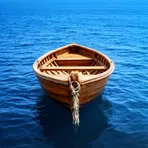
  • The boat was unmoored from the dock and began to drift away in the current.

Examples

  • After the storm, several ships were found unmoored and adrift in the harbor.

  • I was drifting like a boat that's unmoored, OK, off into rough seas.

  • The captain ordered the crew to unmoore the vessel so they could set sail at dawn.

Synonyms
adrift
vsto unmoored
7 4.4

Floating on water without being tied to anything

is about a vessel released from a fixed position at sea
unstuck
vsto unmoored
7 4.2

Able to move or open again after it could not move

is about boats released from moorings, not only freed from jams
unbound
vsto unmoored
5 5.2

Not tied or held, able to move and act freely

is narrower, referring to release from moorings of a vessel
untethered
vsto unmoored
5 6.7

Not tied to anything and able to move freely

refers more narrowly to a vessel freed from fixed mooring points
unchained
vsto unmoored
3 4.4

Not held by chains and free to act or feel as you want

focuses on a ship let go from its mooring rather than chain removal
detached
vsto unmoored
2 4.3

Something loose and not fixed to the thing it belongs to

applies to a vessel let go from its mooring rather than general separation
unshackled
vsto unmoored
2 5.7

Free from chains or things that hold someone back

is applied to vessels released from fixed positions rather than shackles
unattached
vsto unmoored
2 4.2

Not fixed to anything so it can move freely
is used for a boat released from its secured position at harbour
untied
vsto unmoored
2 1.6

Free from ropes or chains and able to move

is specifically about a boat being freed from mooring lines
unanchored
vsto unmoored
6.4

Not attached or held in place so it can move

focuses on a ship freed from its mooring rather than general looseness
untethered from
vsto unmoored
7.0

Free from any tie and able to move or act freely

is specifically used for vessels released from moorings rather than all detachments
unfastened
vsto unmoored
2.4

Not tied, closed, or attached

means being freed from moorings, not merely unsecured fastenings
disengaged
vsto unmoored
  • Specialized
4.4

Not physically connected or locked so parts can move apart

relates instead to a vessel leaving a fixed berth at sea
unfixed
vsto unmoored
6.1

Not firmly attached and able to move or fall

is the maritime idea of a ship freed from its mooring
unwedged
vsto unmoored
7.6

Not held in place by a wedge or other stuck object

describes a vessel freed from mooring lines rather than wedge removal
untrapped
vsto unmoored
4.8

Free from something that holds you so you can move or act

is the maritime idea of leaving a fixed berth rather than escaping traps

Antonyms

51 3.4

To hold something in place so it does not move

How Attached

to unmoored
7.4
adrift
7 4.4

Surface Forms

unmoor infinitive
unmoored past
unmoored past participle
unmooring present participle
unmoors third person singular

Morphology

unmoored = unmoor (transparent) = un + moor + ed

The verb is the past/past-participle form of 'unmoor' (un- + moor), a literal and productive formation.

Etymology

Unmoored comes from un- 'not' and moor 'to tie a boat'. As a verb it means 'to release a boat from its mooring', so think of untying ropes so the boat can move.