
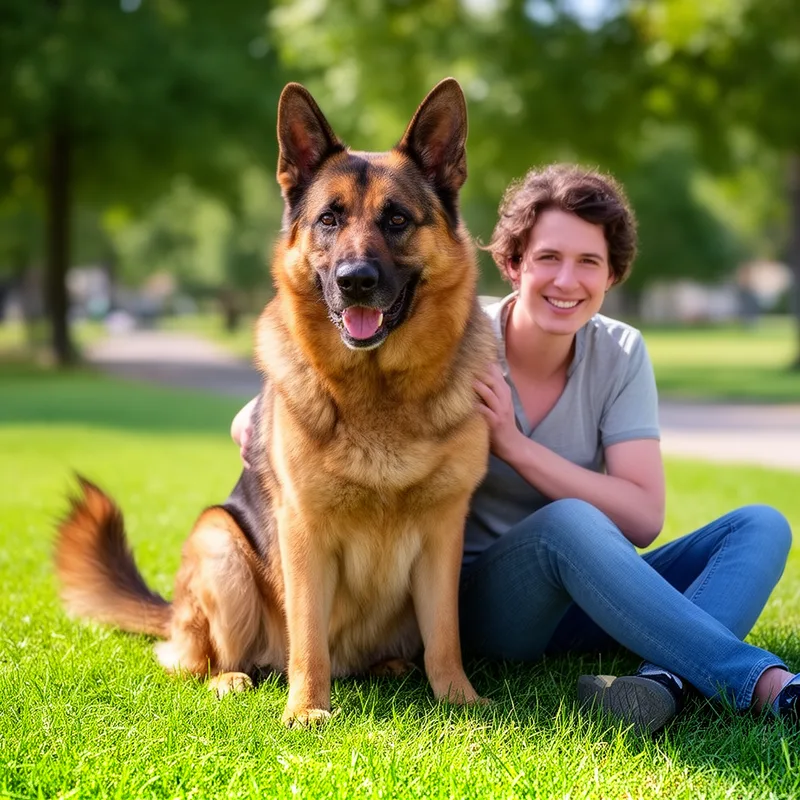
unmenacing
4.6
Not looking or sounding dangerous
- adjective
- /ʌnˈmɛnəsɪŋ/
:
inofensivo
- The flowers in the garden had an unmenacing charm that brightened the day.
Examples
-
She approached the unmenacing stranger with curiosity rather than fear.
-
When I did finally lie down before the doors, they stepped over me serenely, as over the unmenacing gap between the train car and the platform.
Fiction book (2002) -
The unmenacing puppy wagged its tail, making everyone smile.
Synonyms

nonthreatening
vsunmenacing
 4
3.8
4
3.8

Not likely to make someone feel afraid or unsafe
focuses on appearance or manner rather than likelihood of harm

unthreatening
vsunmenacing
4
3.2
Not causing fear and looking harmless
has the same meaning but is phrased in different words

unalarming
vsunmenacing
3.2
Not causing fear or worry
is about being harmless in look or behaviour rather than calming effect

unoffending
vsunmenacing
4.8
Not making people angry or hurting them
concerns absence of threat or fear rather than politeness
Antonyms


How Menacing

Surface Forms
unmenacing positive
Morphology
Etymology
The word unmenacing breaks into un- meaning 'not', just like in unhappy, and menace meaning 'a threat'. So unmenacing means 'not threatening' and is used for people or things that look friendly or harmless.