
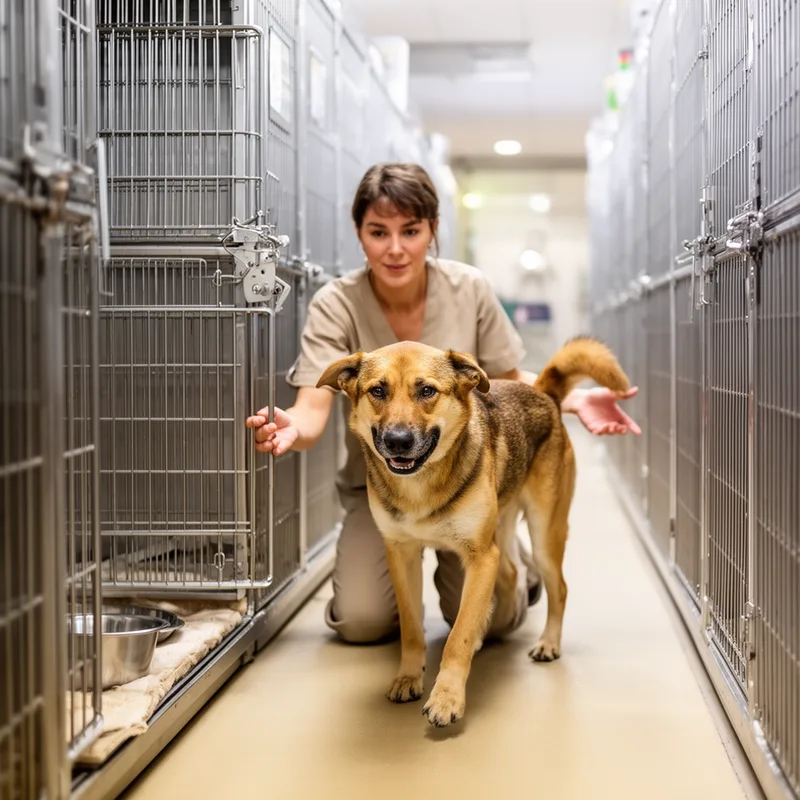
to unkennel


 1
9.9
Let a dog or other pet out of its cage
- verb
- /ʌnˈkɛnəl/
:
liberar
- It is hard to know how much those on stage hear, or fail to hear, the darker implications of Hamlet's speeches, how fully his words may "unkennel" a guilt or simply "sleep in a foolish ear."
Examples
-
Damn me if I won't unkennel her now.
-
She decided to unkennel her dog after a long day of work.
-
The farmer will unkennel the puppies so they can play in the yard.
-
After a week of being kept inside, he finally unkenneled his cat to enjoy the sunshine.
Synonyms
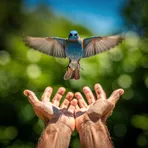
to release
vsto unkennel
∞
1.8
To let someone or something go free from being held
is focused specifically on removing animals from kennel confinement

to let loose
vsto unkennel
47
3.8
Set something free from being held or controlled
is used specifically for freeing animals from kennels
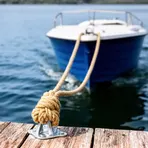
to untether
vsto unkennel
1
6.6
To release something that is tied or fastened so it can move away
is about freeing animals kept inside kennels rather than removing ties from objects

to uncrate
vsto unkennel
1
7.5
Take something out of a box used to carry things
is used for freeing animals from kennel enclosures rather than removing items from boxes
Antonyms

How Free

Surface Forms
unkennel infinitive
unkennelled past
unkennelled past participle
unkenneling present participle
unkennels third person singular
Morphology
Etymology
Unkennel is made from un- and kennel, where un- means 'do the opposite' and a kennel is a small house for dogs. So to unkennel is to take an animal out of its kennel — in other words, to release or let it out.