
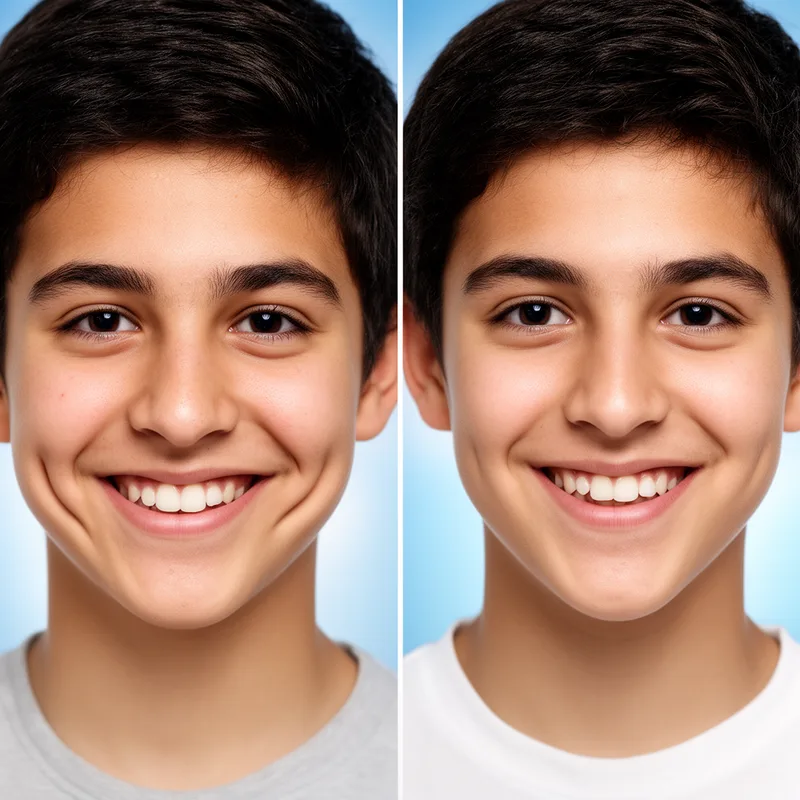
unit character
- noun
- /ˈjunɪt ˈkɛrɪktər/
- Specialized
- The presence or absence of dimples is considered a classic example of a unit character in humans.
Examples
-
In Mendelian genetics, a unit character is typically controlled by a single gene locus.
-
A unit character can be dominant or recessive.
-
Eye color in pea plants often exhibits the properties of a unit character.
-
The unit characters determine the phenotype of the organism.
-
In Mendelian genetics, a unit character is typically controlled by a single gene locus.
-
The presence or absence of dimples is considered a classic example of a unit character in humans.
-
Eye color in pea plants often exhibits the properties of a unit character.
Synonyms

 226
3.5
226
3.5

A quality of a person's character that shows how they behave
 49
3.8
49
3.8
Typical of a person, place, or thing, showing its usual features
 11
6.8
11
6.8
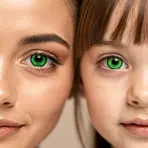
A physical trait passed from parents, for example eye color
Antonyms


Surface Forms
Morphology
The compound is transparently composed: 'unit' (one discrete thing) modifies 'character' (a trait or attribute), so a B1 learner who knows both words can infer it refers to a single, discrete trait. Although the term is technical (genetics) and the precise all-or-none inheritance detail may require domain knowledge, the basic meaning is directly derivable from the constituents and follows a common modifier+noun pattern.
Etymology
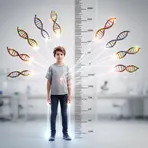
Unit character comes from early genetics and gives a simple picture: a single unit determines a visible character, or 'trait'. If that unit is 'present' the character shows and if it is 'absent' it does not, so the term describes a trait controlled by 'one gene' in an 'all-or-none' way.