
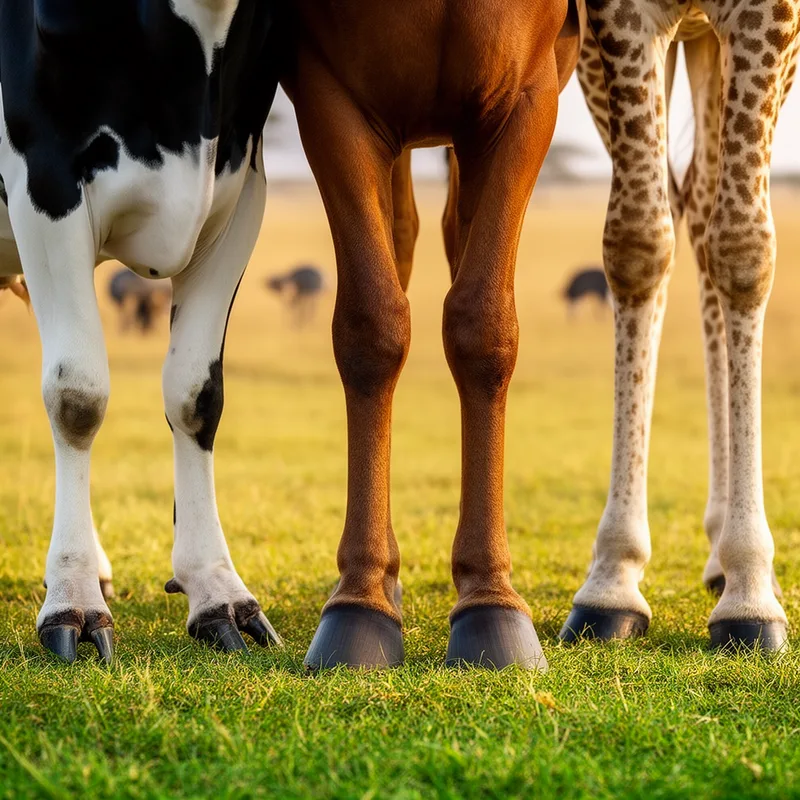
ungulate


 1
9.2
1
9.2
- adjective
- /ˈʌŋɡjʊlɪt/
- Specialized
- In some regions of the West, ungulate populations, especially elk, have increased in recent decades, and the effect of these browsing ungulates on aspen has been noted.
- ungulate population
- ungulate browsing
Examples
-
The rancher raises many ungulate species, including sheep and goats, on his farm to provide a consistent source of meat.
-
During the 1950s and 1960s, public outcry over ungulate reductions by park service agents led to the more publicly appealing and politically feasible alternative of natural regulation (Soukup et al. 1999).
Academic text (2002) -
Cubs continue to nurse during this stage, but they also start to feed at ungulate kills with other clan members.
Academic text (1998) -
Natural regulation, the National Park Service policy for ungulate management, has been plagued with controversy since its inception.
Academic text (2002) -
Misguided concern for ungulate populations also drives aggressive state wolf management.
Academic text (2009) -
Aspen provides excellent habitat and browse for many ungulate species, such as elk, deer, and cattle.
Academic text (2002) -
For example, although in parts of the developed world, ungulates are superabundant due to predator removal, in other regions, ungulate abundance and distribution have been reduced below historic levels by over-exploitation.
Blog text (14) -
Because they have ungulate characteristics, horses and pigs are often grouped together in animal husbandry studies.
-
Seeing the large herd of ungulate animals grazing in the field, I was reminded of the wild landscapes of the American West.
Synonyms
 1
4.0
1
4.0
Having hard feet like those of horses or cows
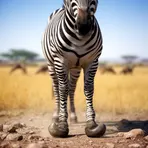
An animal with hooves like a deer or horse
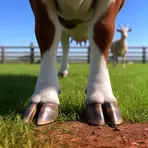
An animal with hard feet like a cow or horse
Compounds
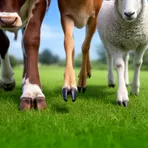
- Specialized
A mammal with hooves that walks on an even number of toes, like cows or deer

- Specialized
An animal with hooves and an odd number of toes, like horses or rhinos
How Flat-Footed

Surface Forms
Etymology
Ungulate comes from the Latin words ungula and unguis, which mean 'nail' or 'hoof'. Think of a hoof as a big 'nail' — that's why we use ungulate to describe animals that have or look like they have hooves.