
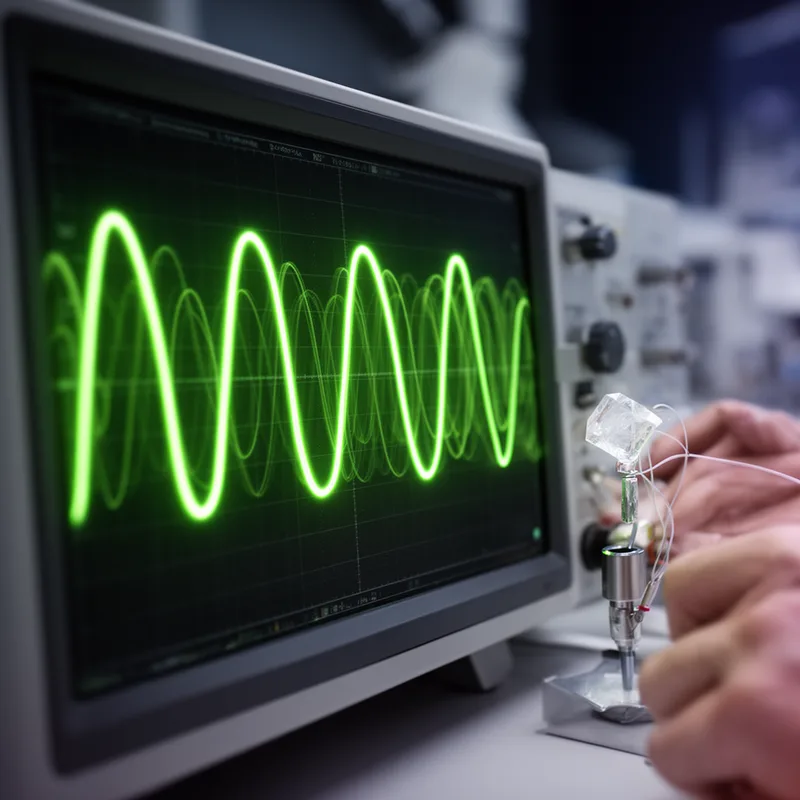
undecaying
- adjective
- /ˌʌndɪˈkeɪɪŋ/
- Specialized
- The engineer noted that the undecaying oscillations suggested a lack of energy loss in the system.
Examples
-
In theory, a perfect crystal could support undecaying vibrations indefinitely.
-
The scientist observed an undecaying signal in the experimental setup, which was unexpected.
-
The undecaying energy of the sun is vital for life on Earth.
-
This ancient artifact has remained undecaying for centuries.
-
The engineer noted that the undecaying oscillations suggested a lack of energy loss in the system.
-
In theory, a perfect crystal could support undecaying vibrations indefinitely.
-
The scientist observed an undecaying signal in the experimental setup, which was unexpected.
Synonyms

 4
6.0
4
6.0

Still the same in amount, strength, or quality as before
 1
4.8
1
4.8
Not changing over time and always the same
 1
8.6
1
8.6
Not reduced in strength or power


 1
7.0
1
7.0
Not changed by radioactivity and still in its original state

Vibrations or motion that keep their strength and do not get weaker
Continuing to move or shake without losing strength

Continuing strongly without getting weaker
Not gone down in amount or value

Staying steady and not changing in value or level

Staying the same over time
How Decayed

Surface Forms
Morphology
undecaying = decaying (transparent) = un + decay + ing
In technical contexts (physics, engineering) 'decay' commonly means reduction in amplitude or energy; negating 'decaying' with 'un-' yields 'not decreasing', a direct and regular formation.
Etymology
Undecaying comes from un- 'not' plus decay 'to lose or decrease'. In science, 'decay' can mean a loss of energy, so undecaying describes a signal or vibration that does not fade and keeps its strength.