
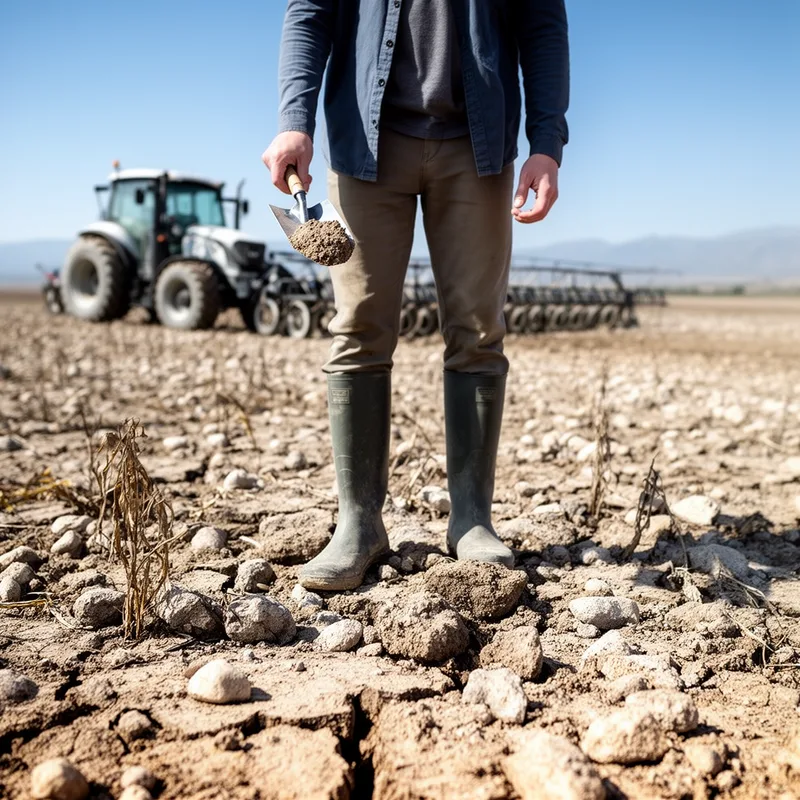
unculturable
- adjective
- /ˌʌnˈkʌltʃərəbəl/
- After years of drought, the land became almost completely unculturable for agriculture.
Examples
-
The soil in this region is so rocky that it remains unculturable despite modern techniques.
-
Large areas of desert are considered unculturable and are left untouched by farmers.
-
The soil in this area is unculturable.
-
Many plants are deemed unculturable in harsh climates.
-
Large areas of desert are considered unculturable and are left untouched by farmers.
-
The soil in this region is so rocky that it remains unculturable despite modern techniques.
-
After years of drought, the land became almost completely unculturable for agriculture.
Synonyms
 1
5.9
1
5.9

Not producing good results or crops
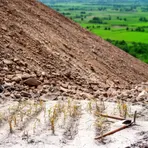
Land that cannot grow crops or be farmed

Land that cannot grow crops

Land that does not grow crops or plants
Antonyms

How Cultivable

Surface Forms
Morphology
unculturable = culturable (transparent) = un + culture + able
Direct negation of 'culturable' yields 'not suitable for cultivation', a straightforward and predictable meaning for learners.
Etymology
Unculturable comes from un- ('not'), culture (a word for 'to grow' or 'farm', seen in cultivate and agriculture) and -able ('can'). So land called unculturable is land you 'cannot make ready for farming', which explains the meaning 'not suitable for crops'.