
turmeric
 1
4.7
1
4.7

- noun
- /ˈtɜrmərɪk/
- Turmeric, a root that is similar to ginger, has been used in Ayurvedic medicine to treat inflammation.
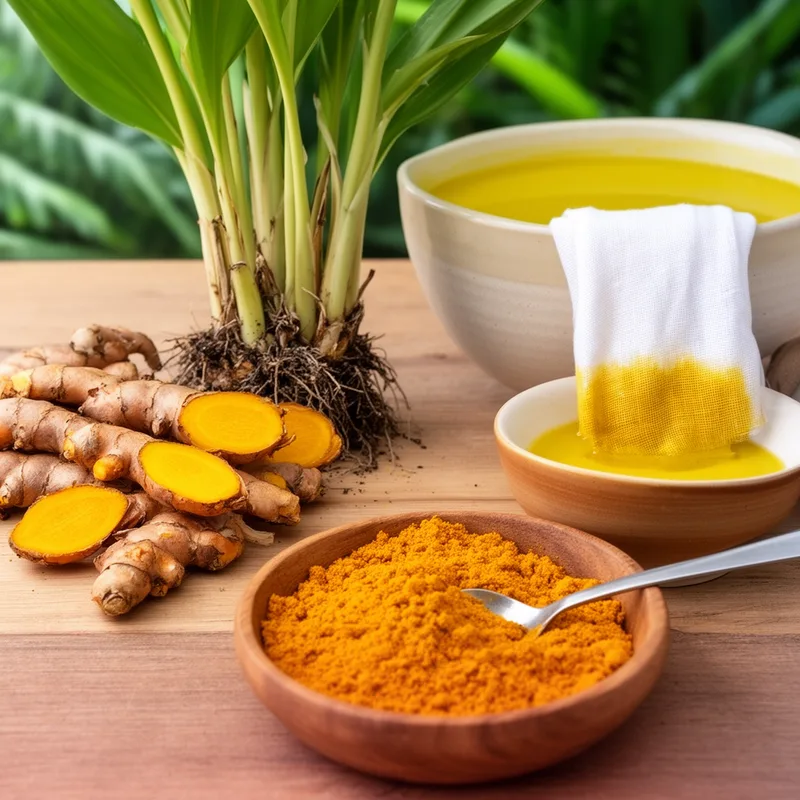
- turmeric paste
- yellow color of turmeric
- turmeric root
Loading YouTube…
Watch on YouTubeThe second herb is turmeric or turmeric.
- The second herb is turmeric or turmeric.
Examples
-
Bachmeier and her colleagues, in a prior study, have demonstrated that turmeric statistically significantly reduces the formation of lung metastases in an animal model of advanced breast cancer.
Blog text (10) -
Chopra et al. (1996, 1998) included turmeric in an Indian herbal remedy that was proven to relieve pain and inflammation in two randomized controlled human studies.
Academic text (2003) -
And this is turmeric, another quite common source of yellow in this in this part of the world.
-
Some people take turmeric and feel perfectly fine.
-
Scientific evidence is not complete, but turmeric has no known side effects and could provide some relief for the patient with arthritis.
Academic text (2003) -
The usual dose of turmeric is 400 mg in capsules or tablets given three times a day.
Academic text (2003) -
"Amma applied a paste of turmeric and egg yolk to help the pain and swelling."
Fiction book (2000) -
A later study (Joe, Rao, & Lokesh, 1997) demonstrated that turmeric, in combination with capsaicin, relieved inflammation in rats with induced arthritis.
Academic text (2003) -
Add one teaspoon of ground turmeric to four cups of boiling water.
-
Numi Organic turmeric Tea: this herbal tea features earthy turmeric, shown to reduce inflammation.
Synonyms

A tropical plant with yellow roots used to make the spice turmeric

A tropical plant from India with a yellow root used as a spice and dye
Compounds

Surface Forms
Etymology
Turmeric comes into English from a line of Asian names and the Latin plant name Curcuma, all used for the same Indian plant with a bright root. That's why turmeric today names the tropical plant with yellow, aromatic rhizomes.