
tumescence
 1
9.9
1
9.9

- noun
- /tjuːˈmɛsəns/
- Specialized
- The medical charts indicated that the man experienced repeated episodes of tumescence during the examination.
- penile tumescence
- control of tumescence
Examples
-
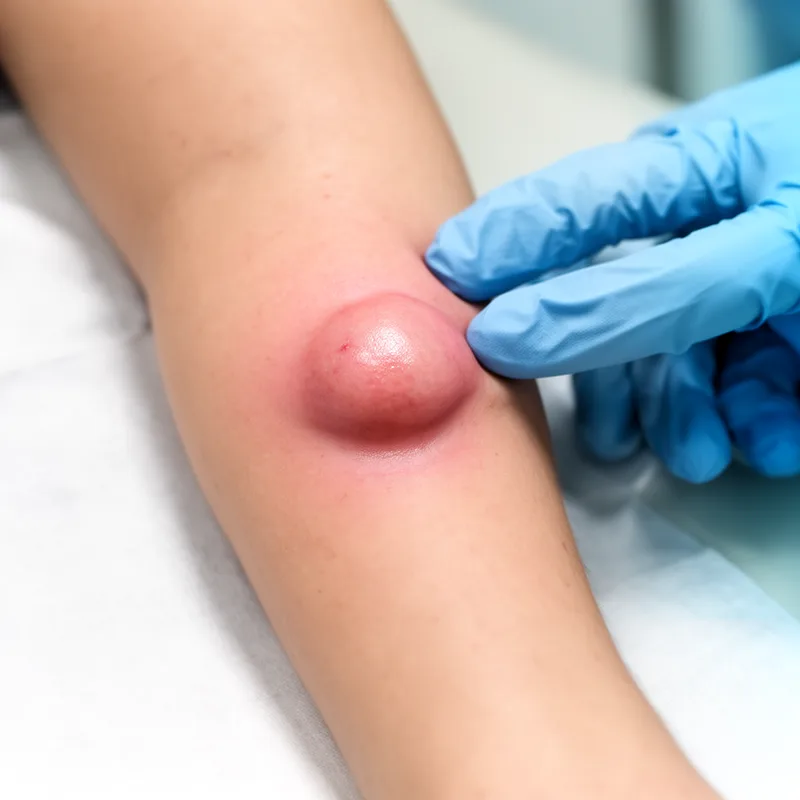
After the application of the cream, the patient's skin showed clear signs of tumescence as it became swollen and puffy.
-
The initial demonstration of voluntary control of penile tumescence was conducted by Freund (1963).
Academic text (1991) -
Two general paradigms have been used to study voluntary control of penile tumescence.
Academic text (1991) -
Fun fact, there's a medical term for those: nocturnal penile tumescence.
Blog text (21) -
The penile tumescence data were analyzed by way of a repeated measures ANOVA design.
Academic text (1991) -
Distraction may constitute one form of competitive activity that is detrimental to penile tumescence.
Academic text (1991) -
The participant was subsequently told over the intercom to relax for a 5-minute baseline phase during which basal levels of tumescence were recorded.
Academic text (1991) -
Doctors noted that tumescence can often be a response to various stimuli, leading to swelling in the affected area.
Synonyms
 3
3.7
3
3.7
A raised, often painful area on the body after injury or infection


 1
9.1
1
9.1
A body part that is filled with blood or fluid and looks swollen

A swelling in a part of the body, often after injury or infection

A part of the body that is larger than normal

A slight swelling of a part of the body

A swelling of a part of the body that has extra fluid
Antonyms

How Swollen
- Specialized
32
8.0

- Specialized
1
9.1
- Specialized
1
9.9
3
3.7
3
3.4
Surface Forms
Morphology
Etymology
The word tumescence comes from an old Latin word tumescere, which means 'to swell' and is the same root as tumor. So tumescence means a swelling or an area that has become filled with extra fluid or blood.