
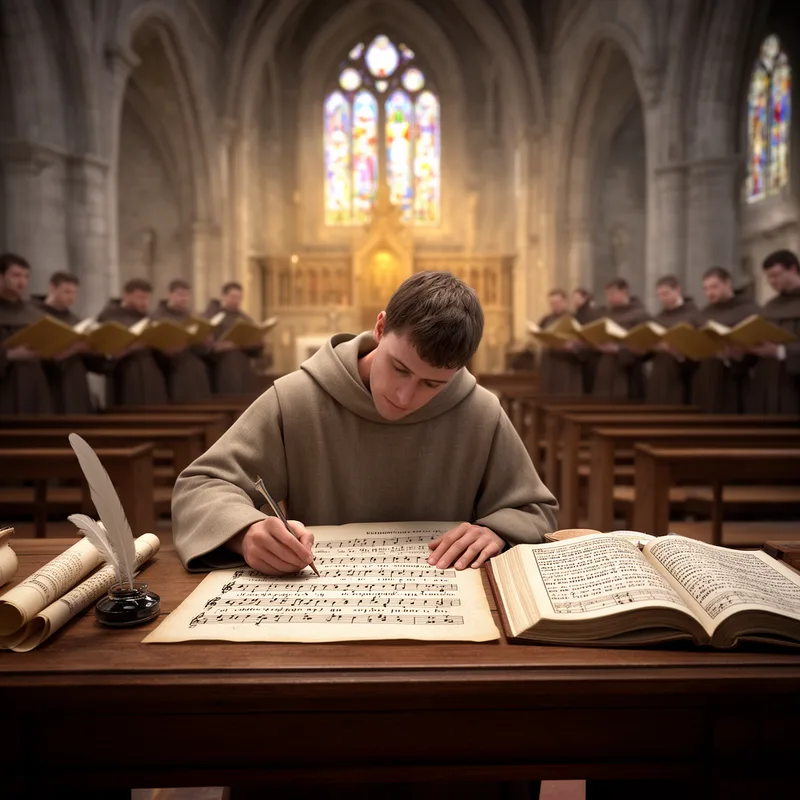
troper
- noun
- /ˈtroʊpər/
- Archaic
- As a skilled troper, she adapted ancient chants with new melodic phrases for the cathedral choir.
Examples
-
The choir relied on the troper to create unique musical additions for special services.
-
The medieval troper introduced new verses to enrich the traditional chants.
-
The troper sang beautifully during the service.
-
Many tropers gather at the annual festival.
-
The talented troper skillfully adapted the ancient chants for the modern choir.
-
During the seminar, the troper eloquently performed pieces that highlighted the use of musical tropes.
-
As a troper, she often analyzed stories to identify common themes and rhetorical devices.
Synonyms

 10
9.6

A person in the Middle Ages who wrote and sang songs about love and knights
 1
7.1
A person who sings or chants to lead a group in a ceremony


 1
6.5
A person who changes music to fit different instruments or voices
 1
8.0
A person who writes religious songs for use in worship
 1
6.1
A person who adapts music for different instruments or voices
Surface Forms
Morphology
Etymology
Troper comes from trope and the Greek word tropos meaning 'turn'. A troper can mean a person who writes or adapts those extra lines for chants, so the origin explains why it names someone who creates or changes parts of church music.