
tribune
 9
9.9
9
9.9

- noun
- /ˈtrɪbjun/
- Archaic
- Each century was led by a centurion, while each cohort was led by a tribune and the entire group was led by a prefect.
- Roman tribune
- military tribune
- tribunes of the people
Loading YouTube…
Watch on YouTubeOne was the office of the Roman tribunate, the tribunes of the plebs, the tribunes of the ordinary people of Rome.
- One was the office of the Roman tribunate, the tribunes of the plebs, the tribunes of the ordinary people of Rome.
Examples
-
When we were chosen tribunes for the people...
-
The tribunes were elected by the people, but would serve the approximate role of a jury.
Fiction book (1998) -
When the next session finally began, the head tribune spoke.
Fiction book (1998) -
I give you your last commission as Tribune of the Guards.
-
The tribunes discussed this for a long time.
Fiction book (1998) -
Finally, the tribunes addressed the chamber once again.
Fiction book (1998) -
"We understand that you are unfamiliar with our principles of justice," the head tribune told the defendants gathered in the courtroom.
Fiction book (1998) -
I am Tribune Antoninus.
-
When the Roman tribune demanded an explanation, Brennis added his sword to the scales, laughed and famously said why Wichtis?
-
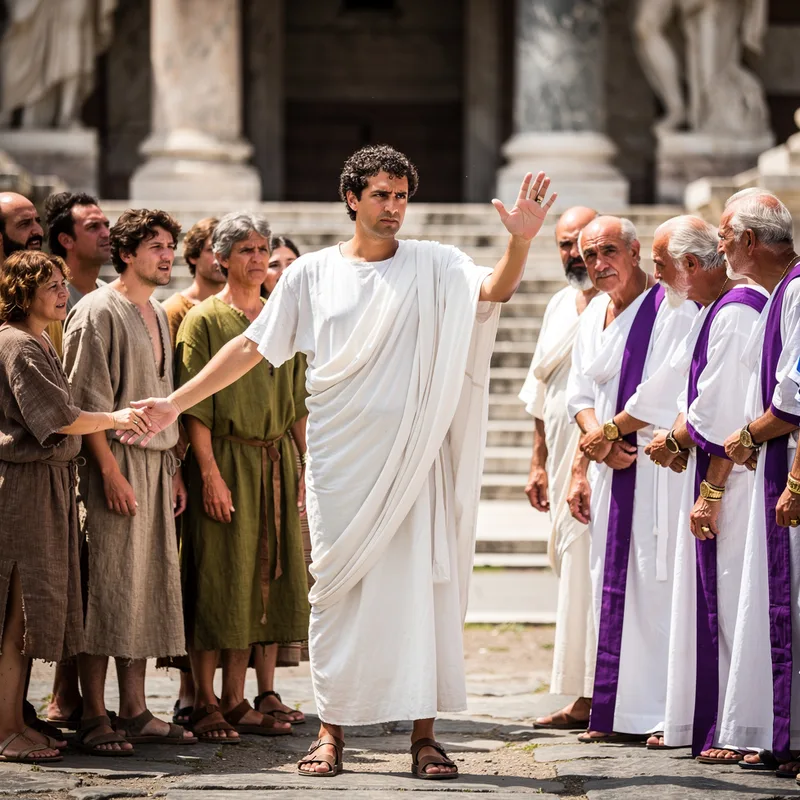
In ancient Rome, the tribune was elected to represent the common people and protect their rights.
How Powerful
- Archaic
9
9.9

- Formal
56
6.6
- UK
51
3.4
63
7.2
624
3.5
Surface Forms
Etymology
Tribune comes from the Latin tribunus, formed from tribu- meaning 'tribe' or 'group', like the English word tribe. In ancient Rome a tribune was an official chosen to protect the people, so the word means a leader who defends the people's rights.