
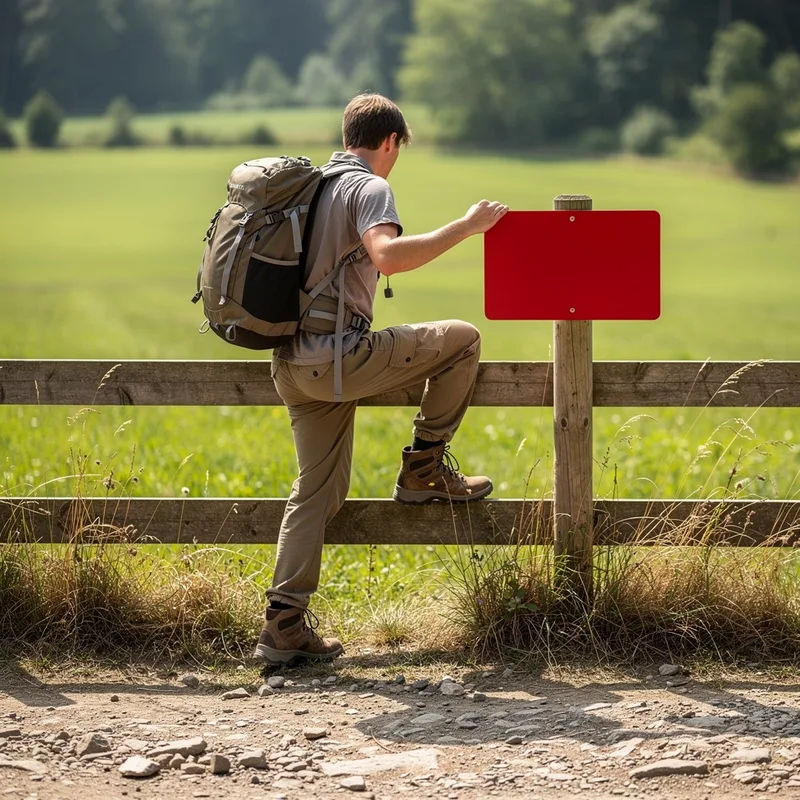
to trespass
 70
5.9
70
5.9

- verb
- /ˈtrɛspəs/
- I didn't mean to trespass; I don't want to do anything dishonest, but if you could just help me...
Loading YouTube…
Watch on YouTubeTo me in life, people would be just trespassing all over me all the time because I had no boundaries.
- To me in life, people would be just trespassing all over me all the time because I had no boundaries.
- A mayor was arrested just this past few days, Newark and Newark, because he was trespassing.
Examples
-
This is private property, and you're trespassing.
-
You are not allowed to trespass in this private area without permission.
-
We have just as much right to trespass here as you do.
-
This property is posted, you boys are trespassing.
-
I didn't intend to trespass on your territory.
-
You're trespassing in a restricted area!
-
- You're trespassing.
-
You're trespassing.
-
They caught him trespassing on their lawn late at night.
-
The sign clearly states that it is illegal to trespass on these grounds.
Synonyms
 105
4.4
105
4.4
To go into a place or conversation where you are not welcome
 77
4.1
77
4.1
To enter someone's space or private life without permission
 68
6.8
68
6.8
Break a rule or law and go against someone's rights
 27
7.3
27
7.3
To gradually move into someone else's area, space, or rights without permission
 22
4.6
22
4.6
To go into someone's space or life without permission
 2
6.8
2
6.8
To gradually move into someone's personal space, rights or privacy
Antonyms

Compounds

- Formal
Something that stays on someone else's land without permission, like a parked truck

- Archaic
A court case to get money for goods someone took without permission


- Archaic
A case for money after someone enters your land without permission

How Far

Surface Forms
Morphology
Etymology
The verb trespass comes from trans- 'across' and pass 'to go', so it means to go beyond a limit or border. That's why to trespass can mean to go past rules, places, or someone's rights.