
transmarginal
- adjective
- Specialized
- The daily wakefulness-sleep cycle is the most common example of transmarginal inhibition, with sustained periods of wakefulness leading to physical and mental fatigue and an extended period of sleep (which is a low-arousal state).
- transmarginal inhibition
- transmarginal inhibition paradigm
Examples
-
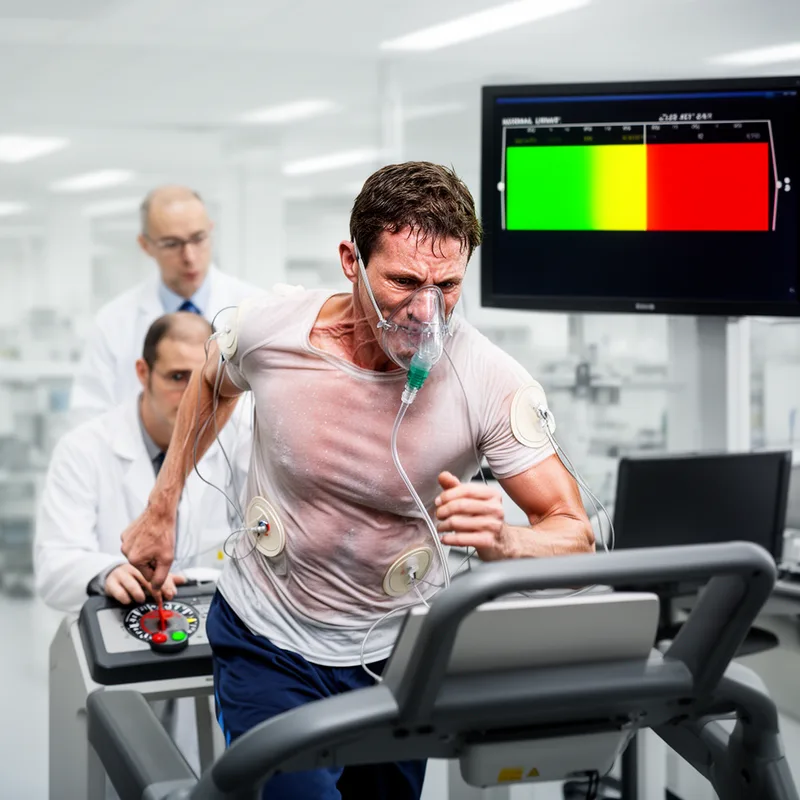
Outside the laboratory, transmarginal inhibition occurs when sustained periods of high arousal are necessitated by high levels of physical activity and/or mental alertness.
Academic text (1995) -
In laboratory-induced transmarginal inhibition, individuals who showed arousal decrements later in the series were characterized as having "strong nervous systems" to describe their resilience to intense stimulation.
Academic text (1995) -
Transmarginal inhibition
Academic text (1995) -
The study of individual differences in arousability has been motivated by two groups of experimental studies employing the orienting reflex and transmarginal inhibition paradigms, respectively.
Academic text (1995) -
The concept of transmarginal responses is crucial in understanding stress and recovery.
-
During intense training, athletes often experience transmarginal effects on their performance.
-
Transmarginal inhibition can lead to fatigue after prolonged periods of concentration.
How Intense


Surface Forms
Morphology
Etymology
Transmarginal comes from trans- 'across' and margin 'edge' or 'limit', so in psychology and biology it means going 'beyond the limit' or passing a threshold.