
tractive


 1
9.3
- adjective
- /ˈtræktɪv/
- Specialized
- The manufacturer claims that this model achieves higher tractive efficiency compared to its predecessor.
- tractive effort
Examples
-
The engineer explained that the new train design would improve tractive force, allowing it to pull heavier loads.
-
It provides higher starting and continuous tractive effort, as well as increased reliability.
Academic text (1996) -
The attraction system is the enabling technology for achieving new levels of tractive-effort performance and adhesion.
Academic text (1996) -
Combined with attraction, that means substantially higher tractive effort and adhesion to permit replacement of 3,000-horsepower units on a one-for-two basis.
Academic text (1996) -
The force required to move a train at moderate speed on level ground, in a straight line, is about 4 lbs per ton of weight. So, if our car weighs 50 tons, it will need 200 lbs (908 N) of force, or "tractive effort."
Blog text (1) -
It was really a very P113 tractive, comfortable room—if you didn't look at the bloodstains that had not yet been scrubbed away or painted over.
Fiction book (1992) -
For optimal performance, the vehicle's tires must maintain adequate tractive grip on the road surface.
How Tractive

Surface Forms
Morphology
tractive = traction (transparent) = tract + ive
The adjective is directly derived from the noun 'traction' with the productive adjectival suffix '-ive', so a learner who knows 'traction' can infer the meaning.
Etymology
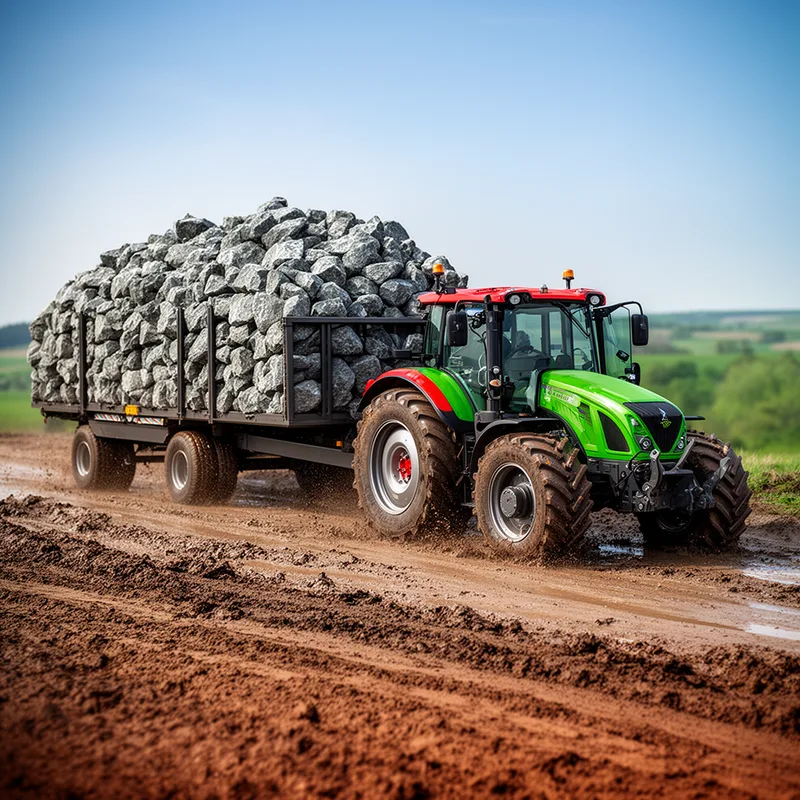
Tractive comes from the root tract, which means 'to pull'. Think of a tractor, a machine that pulls, to remember that tractive describes something that gives or uses pulling power, like tires or engines.