

tottering
- adjective
- /ˈtɑːtərɪŋ/
- After three surgeries, she felt weak and tottering as she tried to stand up.
Loading YouTube…
Watch on YouTubeStep by step, we walk the most horrendous path, stride tottering along the edge of an unsuspected abyss.
- Step by step, we walk the most horrendous path, stride tottering along the edge of an unsuspected abyss.
Examples
-
Step by step, we walk the most horrendous path, stride tottering along the edge of an unsuspected abyss.
-
In a late letter, the now elderly Blake writes, "I have been very near the Gates of Death and have returned very weak and an old man, feeble and tottering, but not in spirit."
Blog text (22) -
The elderly man walked down the street, tottering with each unsteady step.
-
The puppy was tottering around, trying to find its balance after its first few days of life.
Synonyms

 49
4.0
49
4.0

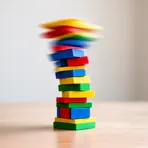
Walk in an unsteady way as if about to fall
 40
3.8
40
3.8
To move or shake unsteadily from side to side
 32
5.7
32
5.7
To move or stand in an unsteady way while rocking back and forth
 16
4.6
16
4.6
To move in an unsteady way as if about to fall
 12
4.8
12
4.8
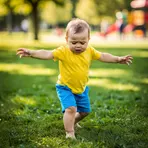
To move or shake in a slight, unsteady way
 11
4.8
11
4.8
To walk in an unsteady way as if about to fall
 4
8.4
4
8.4
To walk in a slow, unsteady way because of old age or weakness
 4
7.9
4
7.9
To walk awkwardly while dragging your feet
 4
5.6
4
5.6
To move or lean in a way that looks like it might fall

To walk with small, unsteady steps
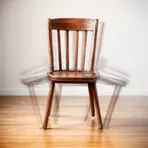
To move unsteadily from side to side

To move unsteadily while rolling from side to side

To walk in a wobbly way as if about to fall
Antonyms

How Unsteady

Surface Forms
Morphology
Etymology
Tottering comes from the simple verb totter, which paints a picture of a weak, wobbly walk—like a small child or 'toddler' who can barely stand. So a tottering person moves in an unsteady way because of weakness or old age.