

to tog

to tog

9.9
To put clothes on someone, often in a special way for warmth
  • verb
  • /tɔg/
  • UK
translation icon : vestir
  • They togged up in formal attire for the gala event.

Examples

  • You should tog the children warmly before they go outside.

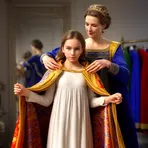
  • She togs her daughter in a beautiful dress.

  • Before the party, she togged her son in his best suit.

  • They togged him in a stylish suit for the wedding.

  • She decided to tog up for the party in her favorite dress.

  • Before the game, the coach told the team to tog up in their new uniforms.

  • He usually togs up casually, but tonight he wore a suit.

Synonyms

to dress
vsto tog
1.0

To put clothes on yourself or someone else

is about dressing or clothing provision with emphasis on style in usage
to dress up
vsto tog
178 2.7

Put on special clothes for an event or to look attractive

is the general act of dressing with possible style focus rather than event use
to suit up
vsto tog
  • Informal
38 4.0

Put on formal clothes or a uniform for an event

is broader dressing that can include style rather than only purpose clothing
to clothe
vsto tog
19 3.2

To put clothes on someone or cover their body with clothes

leans more toward dressing with a stylistic or 'up' sense rather than just covering
to gussy up
vsto tog
  • Informal
5 8.6

To dress or decorate in a fancy way to look nicer

is broader and less overtly showy, focusing on styling rather than decoration
to garb
vsto tog
2 7.9

To dress someone in clothes of a special type

is similar but emphasizes common usage with an 'up' styling sense
to doll up
vsto tog
  • Informal
1 7.2

To dress up and make yourself look attractive for a special event

is a more general dressing term often used with a particle to show style
to apparel
vsto tog
  • Formal
1 7.2

To put clothes on someone

is more informal and often used with 'up' to show a particular style
to fit out
vsto tog
1 4.2

To give a person or place the supplies needed for a specific purpose

is narrower in focusing on clothing itself and its styled presentation rather than equipment
to tog up
vsto tog
  • UK
9.4

To put on special clothes to look attractive for an event

is the general act of dressing, often with a style implication rather than elaboration
to tog out
vsto tog
  • UK
8.6

To dress in nice clothes for a special event

is broader dressing or clothing provision, not limited to occasions
to enclothe
vsto tog
  • Archaic
9.9

To put clothes on a person or thing

is the everyday term for dressing often used with a stylistic particle
to prim up
vsto tog
7.6

To dress neatly and formally for an event

is more general dressing or clothing provision often implying a chosen style
to deck up
vsto tog
  • Informal
8.2

To put on special clothes to look nice for an event

is the general dressing action often implying a chosen style but not excess
to fig up
vsto tog
  • UK
9.9

To put on fancy clothes to look good

is the everyday dressing term that stresses style via a common particle
to rig out
vsto tog
  • Informal
6.9

Dress yourself or others in fancy clothes to look impressive
is more neutral dressing or clothing provision often used with a style marker
to raiment
vsto tog
  • Archaic
9.9

To put clothes on someone

is the modern informal or neutral verb often used with an 'up' styling particle

Antonyms

to undress
  • NSFW
88 2.0

To take off clothes from yourself or another person

Phrasal Verbs

8.6

To dress in nice clothes for a special event

9.4

To put on special clothes to look attractive for an event

How Dressed

to dress up
178 2.7
to tog
  • UK
9.9
to dress
1.0
to clothe
19 3.2

Surface Forms

tog infinitive
togged past
togged past participle
toggings present participle
togs third person singular

Etymology

Tog means 'to dress' and is often used as tog up when you put clothes on someone in a certain way. A helpful way to remember tog is to think of the Roman toga, a simple cloth people wore, so to 'tog' someone is to put clothes on them, which is why we still say 'tog up' for dressing warmly or smartly.