

thiamine
 20
5.3
20
5.3

- noun
- /ˈθaɪəˌmiːn/
- Specialized
- Thiamine is a water-soluble vitamin that is found in the husk and germ of wheat and rice.
Loading YouTube…
Watch on YouTubeAnd then something magnesium and thiamine.
- And then something magnesium and thiamine.
Examples
-
Fat and protein spare thiamine; carbohydrates spend it.
Blog text (31) -
Laboratory tests suggested a thiamine deficiency, and both patients recovered normal visual function after several weeks of treatment with thiamine.
Blog text (31) -
Deficiency of vitamin B1 or thiamine will cause memory disorders such as Wernicke's disease and Korsakoff's syndrome.
Blog text (32) -
Eating foods with a high thiamine content, e.g., yeast, wholegrain cereals, beans, and nuts, or taking a thiamine supplement, may be helpful for diabetic neuropathy.
Academic text (2012) -
Thiamine is essential for converting thiamine carbohydrates into energy in the body.
-
Eating foods rich in thiamine, like whole grains and legumes, supports nerve function.
-
Deficiency of thiamine can lead to serious health problems such as beriberi.
Synonyms
 1
4.5
1
4.5
A B vitamin that helps your body use food and prevents beriberi
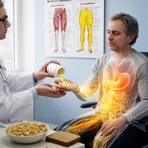
A B vitamin that helps the body make energy and prevents a disease called beriberi
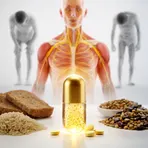
A B vitamin called thiamine that the body needs for energy and to prevent beriberi
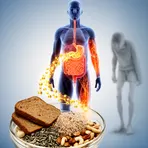
A B vitamin called thiamine that prevents beriberi and helps the body use energy from food
Compounds
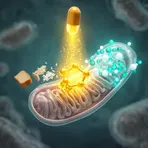
- Specialized
A substance made from vitamin B1 that helps parts of cells turn food into energy
Surface Forms
Morphology
Etymology
Thiamine comes from two chemical parts: thia- meaning 'sulfur' and -amine meaning 'a chemical with nitrogen'. So the name describes the vitamin's chemical parts and that is why thiamine is the common name for vitamin B1, the water-soluble vitamin that helps nerves work and keeps energy levels up.