
theow
- noun
- Archaic
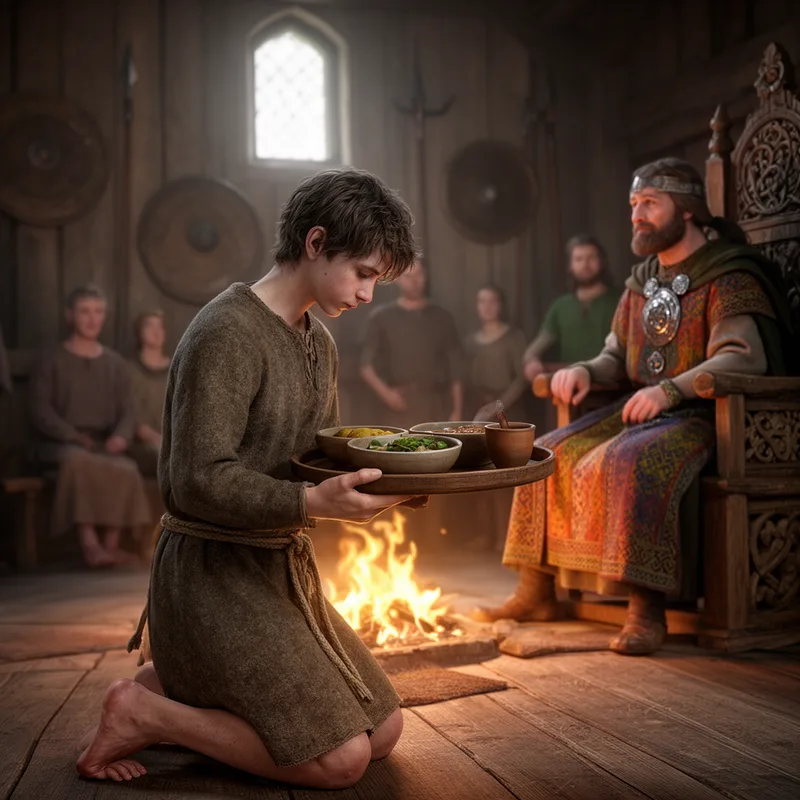
- In early medieval England, the life of a theow was often harsh and filled with labor.
Examples
-
Still, this was a world, surely with its tiny people, its despots and its theows, its families and its children, with their dreams and frustrations.
Fiction book (1992) -
Ordinary theows would seldom, if ever, get a glimpse of the private flesh of despots, and she just might be classified as a despot; the doubt was there as long as she wore the green.
Fiction book (1992) -
Only common ones are allowed for theows.
Fiction book (1992) -
We don't even have peons; we have theows.
Fiction book (1992) -
Both the despots and the theows watch constantly to be sure that there is no escape for them. "They may not be friendly, then," Darius remarked with irony.
Fiction book (1992) -
It showed the despots, deprived of their magic, bowing down, and the theows assuming the mantle of dominion.
Fiction book (1992) -
Many theows worked the fields, bound to serve their masters for little pay.
-
The concept of a theow reflects the social hierarchies that existed in ancient societies.
Synonyms
 19
9.4
19
9.4

A person in the Middle Ages who must work a lord's land and cannot leave
Surface Forms
Etymology
Theow comes from the old English word þēow meaning 'servant' or 'slave', from an old Germanic word for someone who serves another. So in early medieval England a theow was literally a 'slave' or the lowest kind of servant, which is why the word is now archaic.