
theanthropism
- noun
- /θiˈænθrəˌpɪzəm/
- Specialized
- Many mythologies display theanthropism by depicting gods with human emotions and bodies.
Examples
-
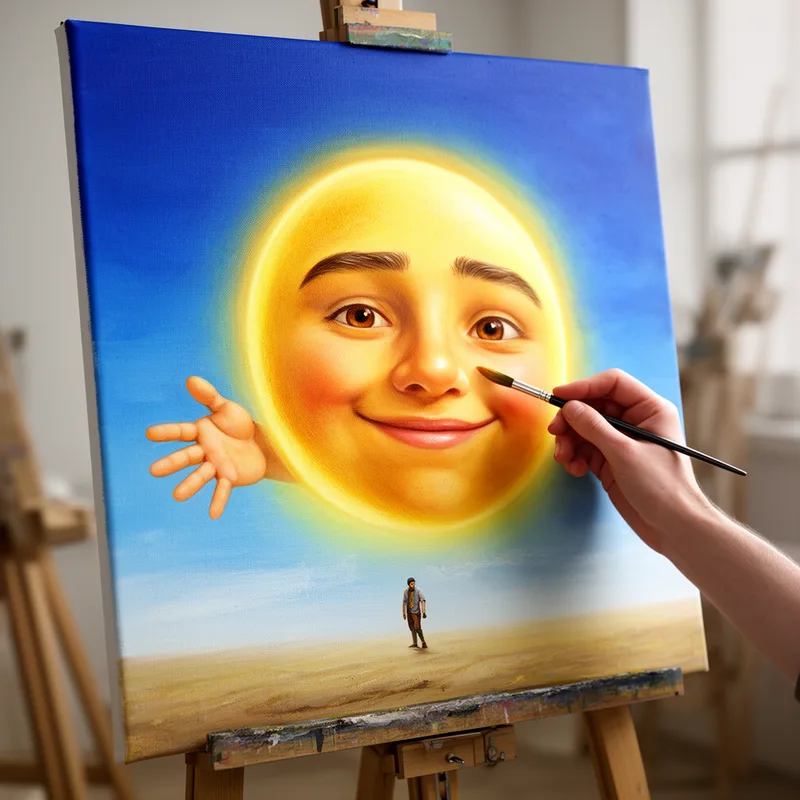
The artist's painting of the sun with a face is a classic example of theanthropism.
-
Debates about theanthropism are common in comparative religion studies.
-
Theanthropism is fascinating.
-
Many people find theanthropism relatable.
-
Many mythologies display theanthropism by depicting gods with human emotions and bodies.
-
The artist's painting of the sun with a face is a classic example of theanthropism.
-
Debates about theanthropism are common in comparative religion studies.
Synonyms

 1
9.9
1
9.9

Giving animals, objects or gods human feelings and actions, like talking animals in stories


 1
9.9
1
9.9
The act of giving human qualities to animals or objects
How Humanlike
- Specialized

- Literature
2
7.5
Surface Forms
Morphology
theanthropism = theo + anthrop + ism
The components ('theo-' = god, 'anthrop-' = human, '-ism' = doctrine/attribution) straightforwardly indicate 'attributing human characteristics to a deity', but the Greek combining forms are not common standalone English words and may not be fully accessible to average learners.
Etymology
Theanthropism comes from Greek parts the- 'god' and anthrop- 'human', with -ism for 'view'. So theanthropism describes giving a god human form or feelings, which is why we use it for gods shown thinking or acting like people.