
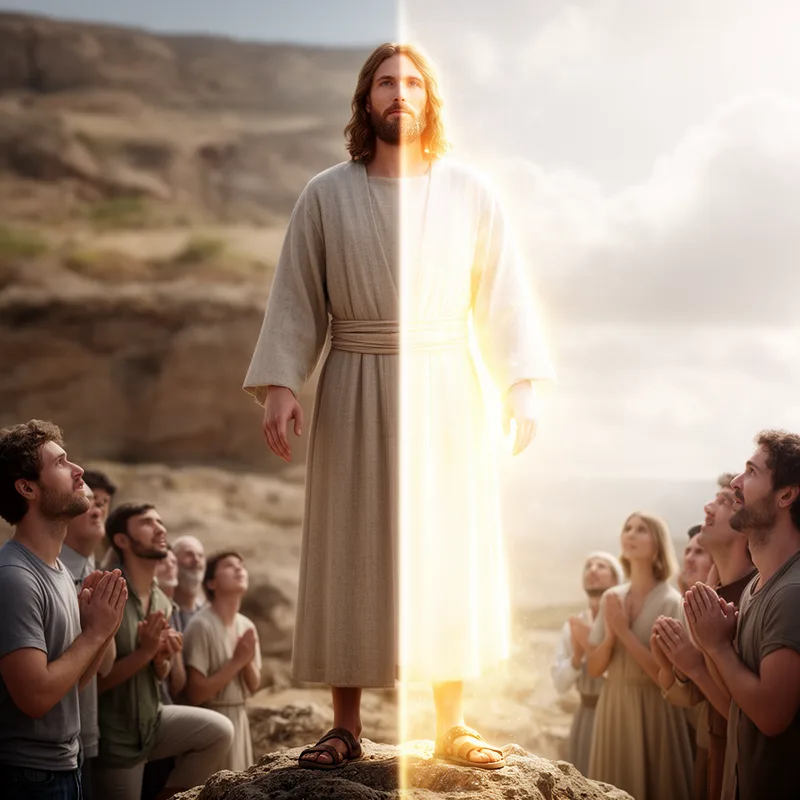
theanthropism
- noun
- /θiˈænθrəˌpɪzəm/
- Specialized
- The Council addressed heresies that challenged theanthropism in explaining the relationship between Jesus's divinity and humanity.
Examples
-
Some early church debates focused on interpretations of theanthropism and the nature of Christ.
-
The doctrine of theanthropism is central to many branches of Christian theology.
-
The concept of theanthropism is central to Christian theology.
-
Many theologians study theanthropism to better understand Christ's nature.
-
Some early church debates focused on interpretations of theanthropism and the nature of Christ.
-
The Council addressed heresies that challenged theanthropism in explaining the relationship between Jesus's divinity and humanity.
-
The doctrine of theanthropism is central to many branches of Christian theology.
Surface Forms
Morphology
theanthropism = theo + anthrop + ism
While the parts suggest 'god' + 'human' + '-ism', the specific Christological/doctrinal sense (that Jesus is fully human and fully divine) is a specialized theological meaning not directly inferable by average learners from the components.
Etymology
Theanthropism comes from Greek parts the- meaning 'god' and anthrop- meaning 'human', plus -ism for 'belief'. So theanthropism is the 'god-human' belief, which is why it names the idea that Jesus is both fully divine and fully human.

