
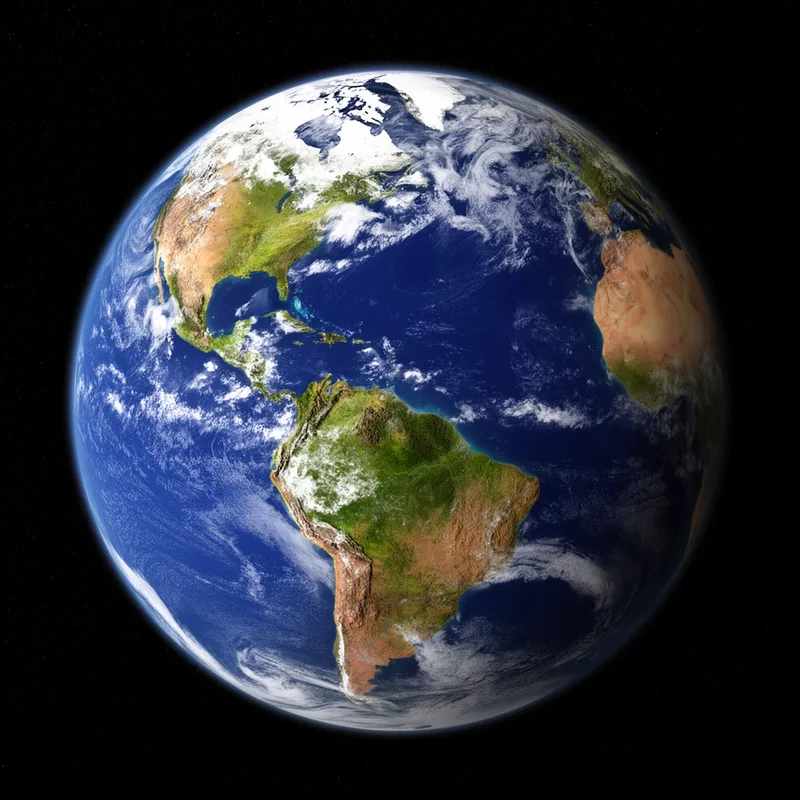
the Americas
 25
2.1
25
2.1

- proper noun
- /ðə əˈmɛrɪkəz/
- Many diverse cultures can be found throughout the Americas, from the Arctic Circle to the southern tip of Argentina.
- settlement in the Americas
- native people of the Americas
- people of the Americas
Loading YouTube…
Watch on YouTubeSo there was the total solar eclipse that went across the Americas, Mexico, up into Canada.
- So there was the total solar eclipse that went across the Americas, Mexico, up into Canada.
- What is proto meaning pre Sumerian stuff doing in the Americas.
- And that disease is beginning to spread all through the Americas.
- As it turns out, it's a it's an idea of mostly of the Americas, most of North and South America.
- And and then they were making secret travels over to the New World of the Americas.
- Did you know that in the Americas before Columbus, there were no wheels, no wheeled vehicles?
- And this is in a half dozen countries now, mostly in the Americas, but there are they are popping up now in Europe.
- So, you know, at the time that he's writing, we might think about peoples of Africa or indigenous peoples in the Americas.
Examples
-
More significantly, he saw the European emigration to the Americas as a direct continuation of its European foundations.
Academic text (1999) -
Wages have remained low throughout the Americas, while profitability and the export of capital have been high.
Academic text (1999) -
Ever been to the Americas?
-
The United States of America also needs to start paying attention to the Americas.
Academic text (2008) -
We're going to stay in the Americas and we're going to go to Arizona.
-
I read your article in The Times this morning about the slave trade in the Americas.
-
Because when I look at what's going on in Europe, in the Americas and then Africa and Asia, how are you so optimistic?
-
They come from the Americas... and were found here long before the arrival of Columbus.
-
Did you know that in the Americas before Columbus, there were no wheels, no wheeled vehicles?
-
Interestingly, more European species initially invaded the Americas than American species invaded Europe.
Academic text (1992)
Synonyms
 750
1.0
750
1.0
The continents of North, Central, and South America taken together
 46
4.2
46
4.2
The continents of North and South America that Europeans settled from the late 1400s
Surface Forms
Morphology
the + Americas
The meaning is directly compositional: 'the' + plural 'Americas' denotes the geographical lands called America in plural, i.e. North and South America considered together. This pluralized place-name construction is cross-linguistically common (e.g. Spanish 'las Américas', French 'les Amériques') and therefore a B1 learner who knows the constituent words will readily understand it.
Etymology
The name the Americas may come from the explorer Amerigo Vespucci. Mapmakers used his name as America for the new lands, and because there are two large continents people say the Americas to mean 'North and South America' together.