
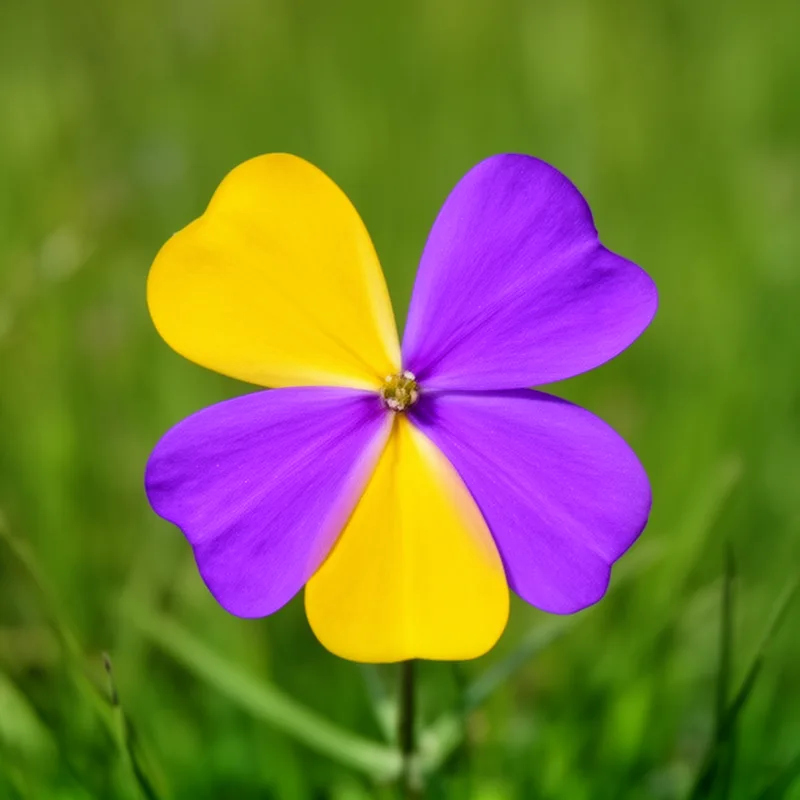
tetramerous
- adjective
- /ˌtɛtrəˈmɛrəs/
- Specialized
- The wildflower has tetramerous petals, each precisely the same size and shape.
Examples
-
Researchers noted the tetramerous structure of the new aquatic plant species.
-
In botany, a tetramerous arrangement is common in certain plant families.
-
The tetramerous structure of the flower is fascinating.
-
Many tetramerous plants exhibit unique adaptations.
-
In botany, a tetramerous arrangement is common in certain plant families.
-
The wildflower has tetramerous petals, each precisely the same size and shape.
-
Researchers noted the tetramerous structure of the new aquatic plant species.
Synonyms

A flower with four petals
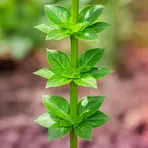
Having parts arranged in groups of four, like leaves

Has four connected parts and often describes proteins or molecules

Having four rounded parts, like a leaf or organ

Having four parts
How Many
- Specialized

- Specialized
- Specialized
- Specialized
Surface Forms
Morphology
tetramerous = tetramer (transparent) = tetra + mer + ous
The adjective is a regular derivation from the noun 'tetramer' by adding '-ous', yielding 'having four parts'; the morphological pattern is productive in scientific terminology.
Etymology
The word tetramerous comes from Greek parts tetra- 'four' and meros 'part', so it means 'having four parts'. That's why botanists use tetramerous for flowers or leaves that have four similar parts.

