
termination
 3
6.7
3
6.7

- noun
- /ˌtɜːrmɪˈneɪʃən/
- Specialized
- Now, this makes a little bit more sense in Greek than it does in English, but you could also think of some of the terminations of suffixes that we use.
- termination of pregnancy
- chain termination
Examples
-
At the end of the monitoring period, suction termination was completed in the usual way.
Academic text (1992) -
A 5- or 7-pin MTA header is included to provide termination to the motor and encoder with a single connector.
Academic text (1995) -
Take a look at your copy of the apartment lease and note the termination date.
Blog text (29) -
The standard termination is 0.187 in.
Academic text (2003) -
The technician is typing in an elaborate termination code.
Fiction book (1996) -
The PPA period in a woman is an interval that begins at the termination of a conception and ends with the resumption of ovulation.
Academic text (2007) -
The acoustic pressure radiated at the lip termination of the vocal tract is the output signal and is analogous to an audio recording.
Academic text (2013) -
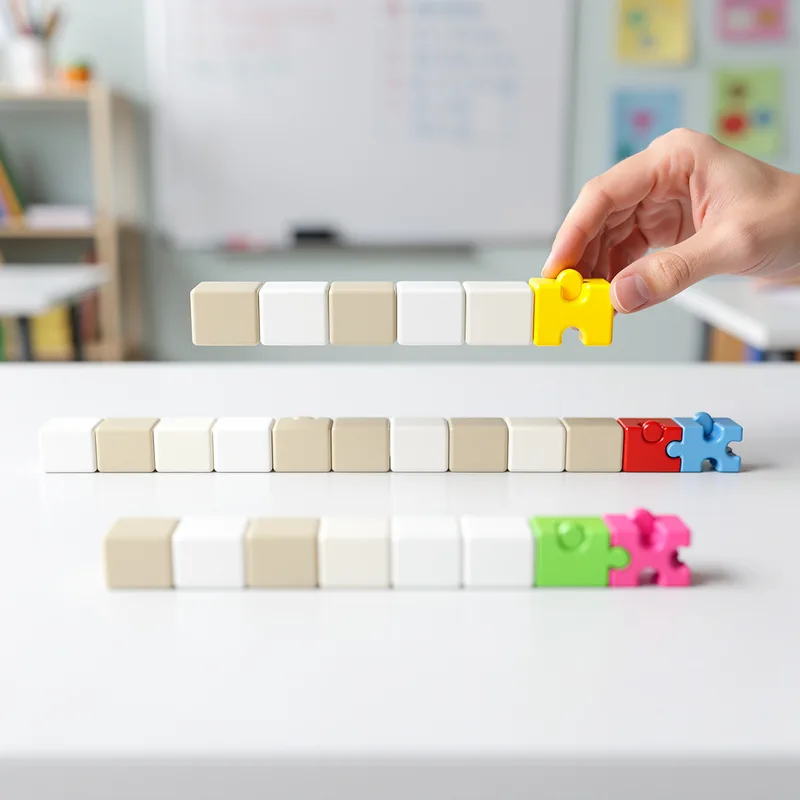
The termination of the word 'happiness' is the suffix '-ness.'
-
In linguistics, termination refers to the final sound or part of a word.
-
We analyzed the termination of verbs in various languages to understand their conjugation patterns.
Synonyms
 43
2.8
43
2.8
The letters added to a word to change its form, for example -s or -ness

Letters added to the end of a word to show grammar, such as tense, number or case

An ending added to a word to show tense or number without changing its main meaning
Surface Forms
Morphology
Etymology
Termination comes from the Latin terminus and the ending -ation, with English relatives like term and terminal; terminus meant 'boundary' or 'end'. In language, a termination is the 'ending' part of a word, like '-ness' in 'happiness', so the origin explains it as the word's final part.