

tentacle
 42
4.9
42
4.9

- noun
- /ˈtɛntəkl/
- "Stop!" shouted Brigit as the first tentacle reached forward to touch the gleaming surface.
- anemone tentacles
- eight tentacles
Loading YouTube…
Watch on YouTubeWatch me drink water with one robot tentacle.
- Watch me drink water with one robot tentacle.
- I looked down in terror to see a large gold sparkling tentacle.
- I sight of some sort, an opposable thumb or tentacle or claw of some sort, and language.
Examples
-
Its large head was square, and its tentacles seemed to stretch endlessly into the water.
Academic text (2011) -
The larger the prey, the longer the tentacles become; the greater the struggle, the tighter the grip.
Academic text (2002) -
Is this a bit of squid tentacle?
-
"Hello," it said in a warm female voice, extending a tentacle to take Kiri's hand.
Fiction book (1991) -
It looks like an octopus tentacle or something.
-
The two creatures meet at the corner, their tentacles touching rather like ants' antennae.
Fiction book (1990) -
It can search for prey with two tentacles without even surfacing.
-
Instead, they have only eight threadlike tentacles about one-eighth of an inch long.
Academic text (1991) -
When he reached out to her, one of the jellyfish's tentacles brushed his leg, searing him.
Academic text (2011) -
The octopus used its tentacle to grasp the shell and pull it closer.
Synonyms
 210
1.0
210
1.0
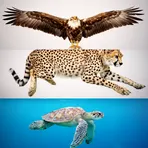
An arm, leg, wing, or flipper that an animal uses to move and hold things
 26
6.2
26
6.2
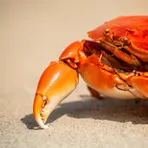
A part attached to something larger, like a limb on an animal or a small group added to an organization
How Sensitive

Surface Forms
Etymology
Tentacle comes from the Latin word tentaculum, based on tentare meaning 'to reach' or 'to feel', and it shares the same root as extend. So a tentacle is a long, flexible arm that reaches out to touch, feel, or grab things.