

tenseless
- adjective
- /ˈtɛnsləs/
- Specialized
- In English, the vowel in 'bit' is considered a tenseless vowel.
Examples
-
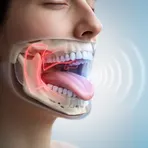
The linguist explained how tenseless sounds are produced with less muscular effort.
-
Some languages make a clear distinction between tenseless and tense consonants.
-
The tenseless vowel sounds are easier for beginners to pronounce.
-
Can you identify the tenseless consonants in this word?
-
In English, the vowel in 'bit' is considered a tenseless vowel.
-
Some languages make a clear distinction between tenseless and tense consonants.
-
The linguist explained how tenseless sounds are produced with less muscular effort.
Synonyms
 1
8.3
1
8.3

A vowel produced when the tongue and jaw are relaxed, as in bet
Antonyms

- Specialized
33
8.8
A vowel sound made with tighter tongue muscles and often longer, as in beat
Surface Forms
Morphology
tenseless = tense (transparent) = tense + less
A straightforward negative formation: 'tense' + '-less' yields 'without tension', directly matching the phonetic sense of lacking muscular tension.
Etymology
Tenseless comes from tense, a word whose root meant 'to stretch' and that you see in tension. So a tenseless sound is made with less 'stretch' in the muscles, which is why linguists call it a lax or relaxed sound.