

tear-gas
 57
4.4
57
4.4

- noun
- /ˈtɪrˌɡæs/
- NSFW
- The police respond by firing multiple volleys of tear gas canisters, making many people disperse or flee to side streets.
- a tear-gas canister
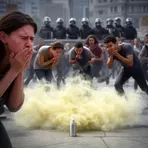
- clouds of tear-gas
- tear-gas and bullets
Examples
-
During the protest, many people were affected by the tear gas, causing them to cough and cry.
-
Most of the injuries were related to inhaling tear gas or getting it into their eyes.
Blog text (11) -
On those front lines, we treated a lot of people through clouds of tear gas.
Academic text (2001) -
The wind blew the tear gas back at the police.
Fiction book (1999) -
Security forces fired numerous rounds of tear gas to disperse protesters and engaged protesters directly.
Blog text (22) -
The mob began coughing, gagging as the tear gas rolled over them.
Fiction book (1996) -
The police deployed tear gas to disperse the large crowd of protesters in the park.
-
As tensions rose during the demonstration, authorities decided to use tear gas to maintain order.
Synonyms
 15
3.7
15
3.7
A gas that makes people's eyes burn and makes them cry, used by police to break up crowds
 3
7.9
3
7.9
A strong chemical spray used by police that makes people cry and cough
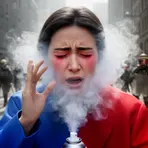

 1
9.5
1
9.5
A gas that makes the eyes water and sting
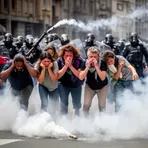
A gas that burns the eyes and makes people cry, used by police to break up crowds

A gas or spray that makes your eyes water and sting, often used by police
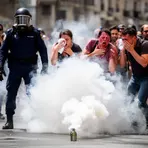
A strong tear gas chemical that causes severe eye and skin burns and breathing problems

A chemical used as tear gas that makes your eyes sting and water for a long time
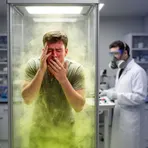
A gas used to make people cry and have trouble breathing
A chemical that makes people sneeze, cough, and cry to make a crowd leave
Surface Forms
Morphology
Etymology
Tear-gas comes from the two simple words tear ('to cry') and gas ('a kind of air'), and it names a gas that makes your eyes water and makes people cry. That's why this word refers to a chemical used to clear or control crowds.